News · 19 August 2026
Why Some Hemp Products Are Sold in Jars and Others in Packs
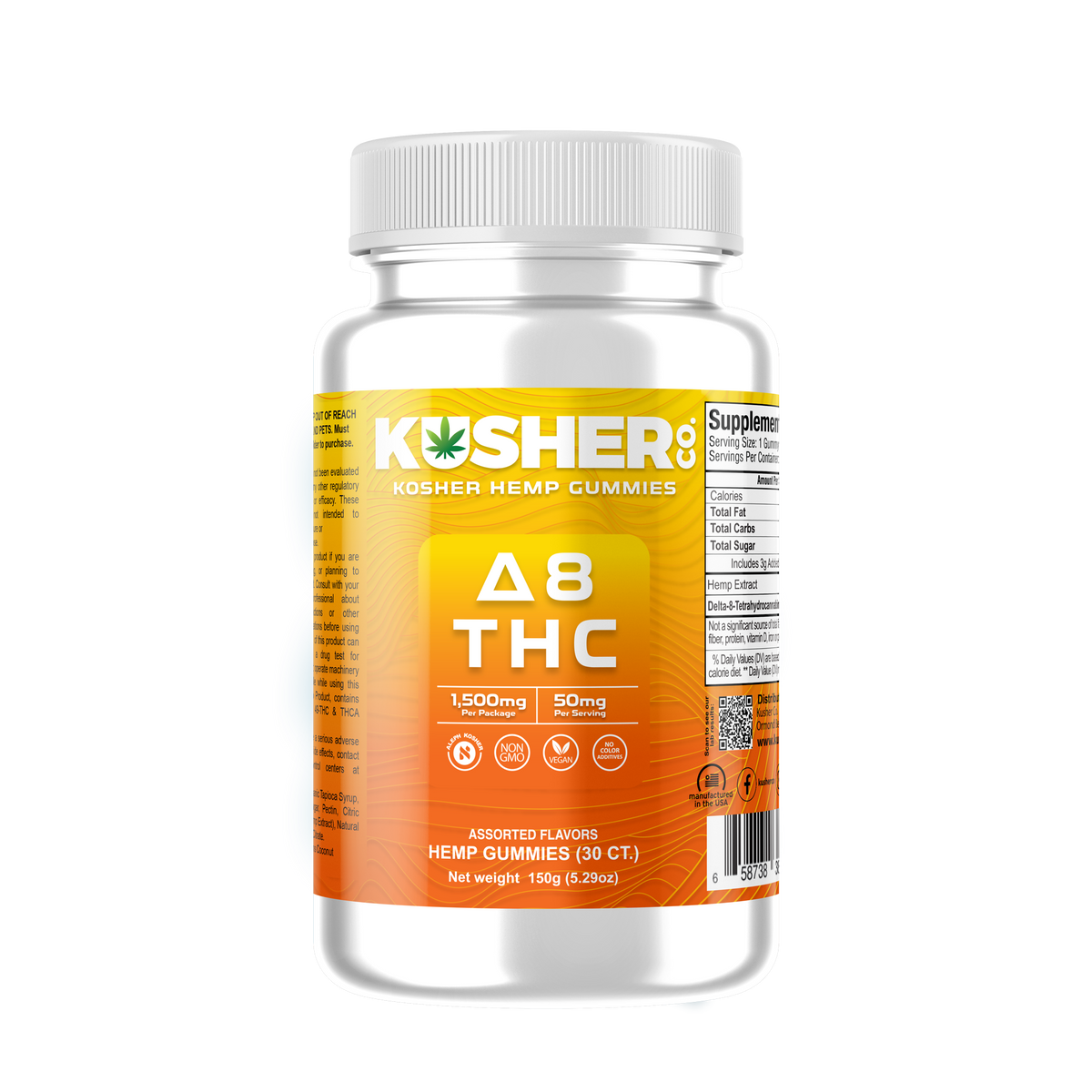
A jar and a pack answer two different questions, and the answer you want depends entirely on how fast you get through things. A jar gives you more pieces for less money each and starts losing ground the moment you open it. A pack keeps every piece sealed until you reach for it and charges you for the privilege. Neither format is better in the abstract, which is why we sell both.
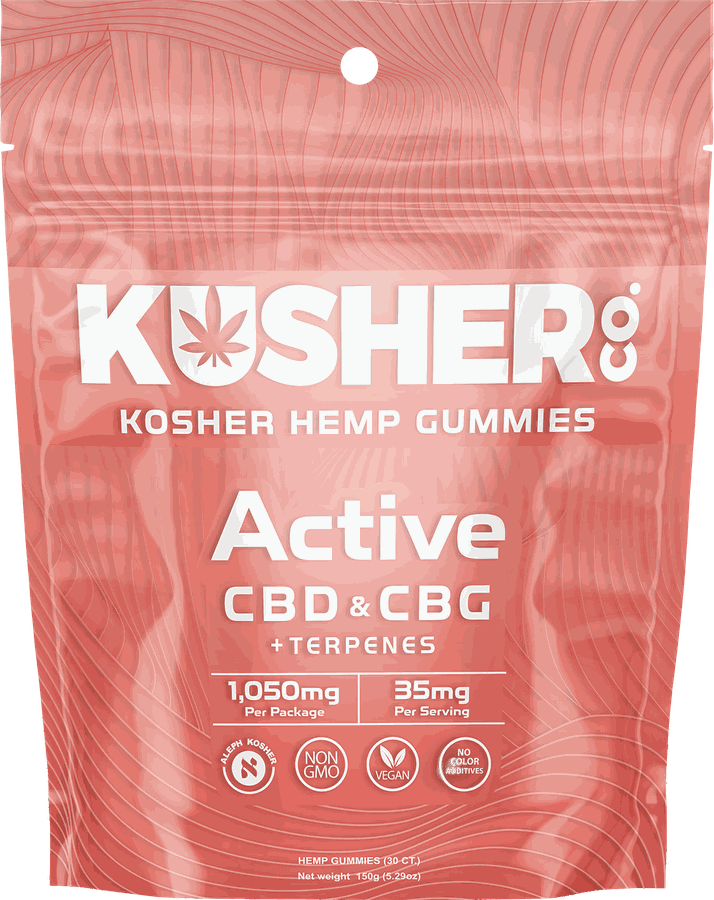
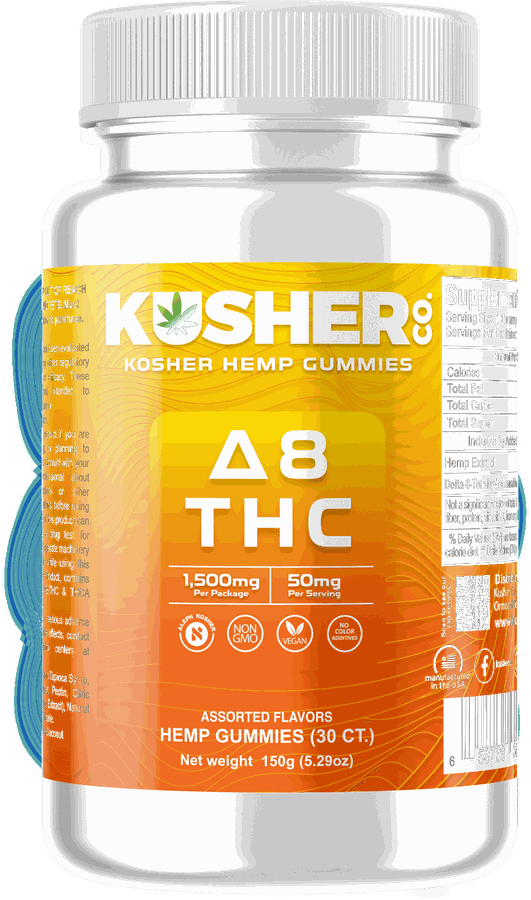
Our D8 Kosher Hemp Gummies come in a jar at $39.99. Our other gummies are $29.99 retail packs. That difference is a packaging decision with real consequences for cost per piece and for what happens to the contents over the weeks after you break the seal, and it is worth understanding before you assume the higher number means a better product.
The jar and the pack solve different problems
A jar is a bulk container. One seal, one headspace, one opening event, and after that a single environment that every remaining piece shares. It is efficient to fill, cheap per unit of contents, and simple to use. You open it, you close it, you put it back.
A pack is a distribution format. It is designed to move through retail, sit on a shelf, be picked up and put down, and protect a defined count until purchase. Depending on construction it may isolate portions from each other or it may not, but its job is protecting contents through a supply chain rather than through six weeks in your kitchen.
The reason both formats exist is that customers arrive with different needs. Somebody who works through a product steadily wants volume and a low unit cost. Somebody who reaches for one occasionally wants each piece to be the same on week eight as it was on day one. Those are incompatible optimizations, so the industry ships both.
What a jar tells you about quantity
A jar signals a product bought in volume by people who already know they want it. Manufacturers do not put a first purchase in a large jar, because a first purchase is a trial and a trial does not need thirty pieces. Jars go to repeat buyers.
Our D8 Kosher Hemp Gummies at $39.99 sit in that position. They are a jar product because the people buying Delta-8 gummies specifically are usually not sampling the category, they are restocking something they have already settled on. The format follows the buying pattern rather than leading it.
That has a consequence for anyone considering the jar as a first purchase, which we will come back to further down. The container is telling you something about who it was designed for, and it is worth listening to that before you commit $39.99 to a format meant for someone with an established routine.
Cost per piece is the number that makes the comparison
Comparing $39.99 to $29.99 tells you almost nothing on its own, because the two numbers describe different quantities. The only comparison that means anything is price divided by count, and that arithmetic is on the buyer to do because the front of the package rarely does it for you.
The pattern in this category is consistent. Larger container, lower cost per piece. That is the whole economic argument for a jar, and it is a real argument. Packaging cost per unit of contents falls as the container gets bigger, filling is faster, and the savings show up in the shelf price.
Where the arithmetic misleads is when it is done in isolation. A lower cost per piece is only a saving if you consume every piece while it is still in the condition you paid for. Cost per piece consumed is the honest figure, and it is always worse than cost per piece purchased.
Air exposure starts the moment you open it
This is the part buyers underweight. A sealed container has a controlled interior. Once you open a jar, the air inside is replaced with room air, and every time you open it again the exchange repeats. Each remaining piece shares that environment for the rest of its life in your house.
Air brings oxygen and moisture. Both interact with the surface of a gummy over time, and the effects are cumulative rather than sudden. Texture changes first, usually toward either stickiness or firmness depending on the formula and the humidity where you live. Surface appearance follows.
The piece you eat on day one and the piece you eat two months later came out of the same jar but not out of the same conditions. That is not a defect in the product. It is what an opened container does, and it is the trade you accept in exchange for the lower unit price.
Why a pack protects contents better
A pack limits how much of the product meets room air at once. The smaller the enclosed volume and the fewer times it is opened, the less exchange happens across the whole quantity. In formats where portions are individually enclosed, the protection is stronger still, because opening one does nothing to the rest.
That protection is not free. More packaging material per unit of contents, more steps on the line, and more cost carried into the shelf price. When you pay more per piece for a pack, you are paying for material and process, not for a superior gummy inside.
So the honest framing is that a pack sells you consistency and a jar sells you volume. Both are real things to want. Which one is worth more to you is a question about your own consumption rate, not a question about product quality.
Humidity is the variable that decides how much this matters
Where you live changes the size of this effect more than most people expect. A jar in a dry climate behaves differently from the same jar in a humid one, because moisture exchange is the main mechanism at work on a sugar coated confection.
In humid conditions, an open jar tends toward stickiness and pieces adhering to one another. In dry conditions, the drift runs the other way, toward a firmer and chewier texture as the surface loses moisture. Same product, same jar, different outcome, determined by the room.
Neither drift makes a product unusable and neither is a safety matter on any normal timeline. What both do is change the experience from the one you paid for, which is exactly the thing a pack is buying you protection against.
How fast will you actually get through it
This is the question that settles the format choice, and it is the one buyers answer optimistically. Be honest about your real rate rather than your intended rate. Most people overestimate, and the gap between the two is where jars go stale.
The rough rule we would give is this. If you will finish a jar within a few weeks of opening it, the volume economics are yours to take and the jar is the right buy. If you reach for something occasionally, without a routine, the pack is worth the higher unit price because you are buying the last piece being as good as the first.
Notice that this rule never mentions which product is better. It is entirely about consumption rate, and two people can rationally make opposite choices between identical products because they use them at different speeds.
Storage changes the math but does not erase it
Good storage narrows the gap between a jar and a pack without closing it. Keep the container closed, keep it out of direct light, keep it somewhere with a stable temperature rather than beside a stove or on a windowsill, and close it promptly instead of leaving it open on the counter.
What storage cannot undo is the exchange that already happened. Every opening event is permanent in its effect, and a jar opened daily has had many more of them than a jar opened weekly. Discipline reduces the rate. It does not reverse the direction.
A useful habit for jar buyers is to treat the jar as a container with a working life that starts at the first opening rather than at the purchase date. That reframing tends to produce better decisions about how much to buy next time.
Tinctures answer this question a third way
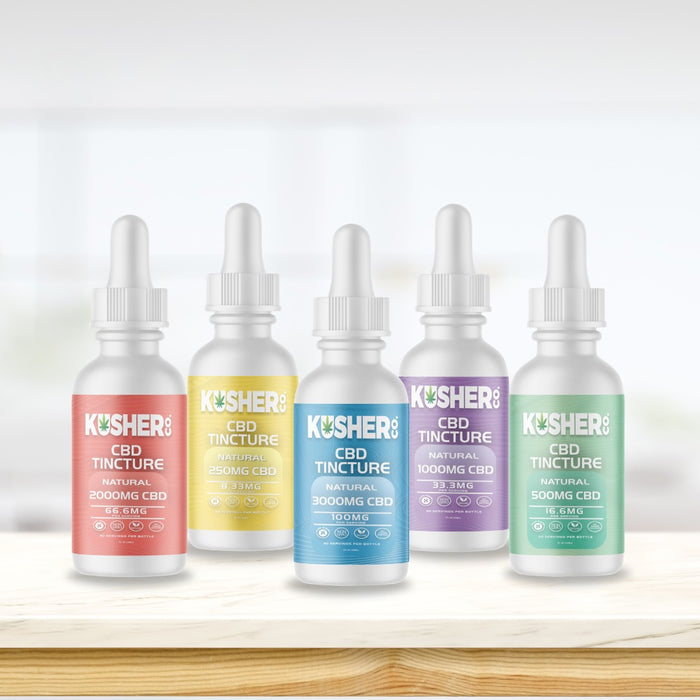
Our Full Spectrum Kosher Hemp Extract CBD Tincture handles the same tension through strength rather than through container design. The ladder runs 250mg at $20.00, 500mg at $25.00, 1000mg at $30.00, 2000mg at $35.00 and 3000mg at $40.00, in the same physical bottle format.
The cost per milligram falls sharply as you climb that ladder, which is the same volume economics a jar offers. The difference is that a liquid in a dropper bottle has a much smaller opening and far less headspace exchange per use than a wide mouth jar does, so the exposure penalty for buying big is lower.
That is why the strength ladder can go as high as it does while the gummy formats stay modest. Format determines how much penalty comes attached to buying in quantity, and a narrow neck bottle carries less of it than a jar.
Topicals barely participate in this trade
Our sticks and roll ons at $20.00 sit outside the whole question, and that is a property of the format rather than an accident. A stick or a roll on dispenses without opening the reservoir to the room, so the bulk of the product never meets air until it is used.
The Cooling Pain Relief Gel at $25.00 in a tube behaves similarly. A tube collapses as it empties rather than filling with air, which is a quietly better design for anything you will use over months.
If you want a product that behaves the same on the last application as on the first, and you do not want to think about consumption rate at all, the topical formats remove the decision. That is a genuine advantage and it is worth knowing when you are choosing between categories rather than within one.
Look at the closure, not just the container
Two jars are not equivalent, and the part that differs most is the part people look at least. The closure is what determines whether the container reseals to anything like its original state, and a lid that seats loosely turns a jar into an open bowl with a hat on it.
Check three things when you open something new. Whether there was an inner seal under the cap and whether it came away cleanly. Whether the lid threads engage firmly rather than spinning past. And whether the container is opaque or clear, because light is the second variable after air and a clear jar on a lit counter is working against you.
Child resistant closures are worth their inconvenience in any household where one is needed, and that is a decision to make at purchase rather than afterward. Once a product is home, the closure it came with is the closure it has, and no amount of careful storage compensates for a lid that does not seat.
When the jar is the wrong buy
We would rather say this plainly than sell a jar to someone it does not suit. Do not buy the $39.99 D8 jar as your first Delta-8 purchase. It is a volume format for someone with an established preference, and if you find the product is not for you, you are holding a lot of it.
Do not buy a jar because the cost per piece looks better if you have no routine to consume it with. The saving is theoretical until the pieces are actually eaten, and an unfinished jar has a worse real cost per piece than the pack you did not buy.
And do not buy a jar as a gift for someone whose habits you do not know. A large container of anything implies a commitment the recipient never made, which is a different problem from whether they like the product.
What we would tell a first time buyer
Start with a pack. The $29.99 gummies give you a defined quantity, better protection while you make up your mind, and a smaller loss if the answer turns out to be no. First purchases are experiments, and experiments should be small.
If the experiment goes well and you settle into a rhythm, then the jar economics become worth taking, because you have answered the only question that made them risky. You now know your consumption rate, which is the input the entire calculation depends on.
Buying in that order costs a few dollars more across the first purchase and removes the main way this category wastes people's money. We would rather sell you a $29.99 pack now and a $39.99 jar later than sell you the jar first and have it sit unfinished.
Bottom line
Jars are for people who already know. Packs are for people who are still deciding, and the price gap between $39.99 and $29.99 is buying different things in each case rather than more or less of the same thing.
Do the cost per piece arithmetic, then check it against your honest consumption rate, because a lower unit price on a jar you do not finish is not a saving. If you will get through it in a few weeks, take the jar. If you reach for it occasionally, pay for the pack and get the same experience on the last piece as on the first.
Frequently Asked Questions
Why do the D8 gummies come in a jar while the others come in packs?
Because they are bought differently. Our D8 Kosher Hemp Gummies at $39.99 are a jar product, and jars are volume formats aimed at people restocking something they have already settled on rather than sampling it. Our other gummies at $29.99 are retail packs, which are built to move through a supply chain and protect a defined count until purchase. The format follows the buying pattern rather than leading it, so the container is telling you something about who the product was designed for.
Is a jar cheaper per piece than a pack?
Usually yes, and that is the entire economic argument for a jar. Packaging cost per unit of contents falls as the container gets bigger, filling is faster, and those savings appear in the shelf price. But comparing $39.99 to $29.99 directly tells you nothing, because the numbers describe different quantities. Divide price by count. Then apply the honest correction, which is that a lower cost per piece is only a saving if you consume every piece while it is still in the condition you paid for.
What happens to gummies in a jar after you open it?
The sealed interior is replaced with room air, and every subsequent opening repeats the exchange. All the remaining pieces share that environment for the rest of their time in your house. Oxygen and moisture interact with the surface gradually rather than suddenly, and texture is the first thing to shift, moving toward stickiness in humid conditions or toward firmness in dry ones. The piece you eat on day one and the one you eat two months later came from the same jar but not the same conditions.
Why does a pack cost more per unit if the contents are the same?
You are paying for material and process, not for a better gummy. A pack uses more packaging per unit of contents and takes more steps on the production line. What that buys is a smaller enclosed volume meeting room air at any one time, and in formats where portions are individually enclosed, opening one does nothing to the rest. The honest framing is that a pack sells consistency and a jar sells volume. Which one is worth more depends on your consumption rate, not on product quality.
How do I decide between a jar and a pack?
Answer one question honestly: how fast will you actually get through it, not how fast you intend to. If you will finish a jar within a few weeks of opening it, the volume economics are yours to take and the jar is the right buy. If you reach for something occasionally with no routine attached, the pack is worth the higher unit price because you are paying for the last piece to be as good as the first. Two people can rationally choose opposite formats for identical products.
Does good storage remove the difference between the two formats?
It narrows the gap without closing it. Keep the container shut, keep it out of direct light, keep it somewhere with a stable temperature rather than beside a stove or on a windowsill, and close it promptly instead of leaving it open on the counter. What storage cannot undo is the air exchange that already happened, since every opening event is permanent in its effect. A jar opened daily has had far more of them than one opened weekly. Discipline slows the rate, it does not reverse it.
Why can the tincture be sold in much larger strengths without the same problem?
Because a dropper bottle has a narrow opening and very little headspace exchange per use compared with a wide mouth jar, so the exposure penalty for buying in quantity is smaller. That is why the strength ladder can run from 250mg at $20.00 up to 3000mg at $40.00 in the same bottle format. The cost per milligram falls sharply as you climb, which is the same volume economics a jar offers, with less of the trade attached. Topicals sit further outside the question again.
Should my first Delta-8 purchase be the jar?
No, and we would rather say so than sell you one. The $39.99 D8 jar is a volume format built for someone with an established preference, and if you decide the product is not for you, you are holding a lot of it. Start with a $29.99 pack, which gives you a defined quantity, better protection while you make up your mind, and a smaller loss if the answer is no. Move to the jar once you know your consumption rate, since that is the input the whole calculation depends on.