News · 19 August 2026
Why Hemp Products Taste the Way They Do
Hemp products taste green and earthy because the aromatic compounds from the plant are still in them. Terpenes, chlorophyll and plant waxes all survive extraction to some degree, and every one of them has a taste. A purified isolate is close to flavorless for the opposite reason, which is that everything except a single cannabinoid was removed on the way to making it. Taste in this category is a readout of composition.
That framing matters because a lot of shoppers treat a strong taste as a manufacturing fault. Usually it is the opposite. A whole extract that tastes like a plant is behaving exactly as a whole extract should, and the more thoroughly a product has been stripped down, the less like anything it tastes.
Terpenes are the aromatic fraction of the plant
Terpenes are the volatile oils that give plants their smell. They are not unique to hemp. The same family of compounds is what makes pine smell like pine, citrus peel smell like citrus, and lavender smell like lavender. Hemp produces a mixture of dozens of them in the same resin glands that produce cannabinoids.
Volatile is the operative word. These molecules evaporate readily at ordinary temperatures, which is why you can smell them from across a room and why an open jar loses its aroma faster than a closed one. Their volatility is also the reason they are the first thing lost in any process involving heat.
Because they come from the same resin as the cannabinoids, an extraction that pulls one pulls the other. Whether they survive into the finished product depends entirely on what happened after that first pull, and that is where different products in this category diverge from each other.
Chlorophyll and waxes carry the green part
Terpenes explain the aroma. The heavier, darker, more vegetal side of the taste comes mostly from chlorophyll and plant lipids that came along with the extract. Chlorophyll is the pigment that makes leaves green, and it carries a bitter, grassy character that anyone who has eaten raw kale would recognize.
How much of it ends up in a bottle is a processing decision. Ethanol extraction tends to pull more chlorophyll than carbon dioxide extraction does, and both can be cleaned up afterward with filtration and winterization. Each cleanup step takes some of the bitterness out and costs some yield and some of the other material along with it.
Color tracks this closely. A dark green or dark amber extract usually has more of the plant left in it. A pale, nearly clear one has been through more purification. Neither color is a quality grade, and reading one as good and the other as bad is a mistake. They are different points on a spectrum of how much was removed.
Isolate tastes like nothing because it is nothing else
CBD isolate is a crystalline powder that is a single cannabinoid and essentially nothing else. Getting there means removing terpenes, chlorophyll, waxes, lipids and every other cannabinoid until one compound is left. The result is close to flavorless, and that is not a coincidence or a formulation trick.
Flavor comes from the compounds that were removed. Cannabinoids themselves have very little taste at the concentrations found in a finished product. Almost everything you taste in a hemp product either came from the rest of the plant or was added by the maker afterward.
This gives you a rough reading tool. A product with no plant taste at all has either been purified heavily or been flavored heavily, and often both. A product that tastes like a plant has more of the plant in it. The taste is telling you which side of that line you are on before you read a single word of the label.
What full spectrum tastes like and why
Our tincture is a full spectrum hemp extract, which means the material was not narrowed to a single compound. Terpenes, minor cannabinoids and some plant material came through the process together. That is the point of the format, and the taste is the direct consequence of it.
People describe it as earthy, grassy, slightly bitter, sometimes nutty, sometimes with a peppery edge at the back. The exact character shifts with the carrier oil, the source material and the batch. It is not a subtle taste and we are not going to pretend it is.
The tradeoff is honest and we would rather state it than dress it up. A full spectrum extract tastes more strongly than a purified one because more of the plant is in the bottle. If a neutral taste is the thing you care about most, a full spectrum product is not built for that preference, and we would rather you knew before ordering than after.
Why the same bottle can taste different between batches
Terpene profiles vary with the plant. Growing conditions, harvest timing, drying and storage all shift the mix, and hemp is an agricultural crop rather than a manufactured chemical. Two batches of the same product made from two different harvests will not taste identical.
Cannabinoid content is held to a specification and verified by lab testing, so the milligram figure on the bottle is stable across batches. The aromatic fraction is not held to a target in the same way, because pinning it exactly would mean stripping it out and rebuilding it, which is a different product with a different ingredient list.
So a modest batch to batch variation in taste is normal and expected. What is not normal is a large change in a bottle you already own, and that is a different situation covered further down.
Why gummies get flavoring added
A gummy is mostly a candy matrix, and the cannabinoid material blended into it brings its plant taste along. Without something on top of that, you would be eating a sweet piece of candy with a grassy aftertaste, which is a worse eating experience than either of its parts.
Flavoring in a gummy is doing a specific job, which is covering the vegetal note from the extract with something the palate reads as intentional. This is standard confectionery practice and it applies to plenty of supplements that have nothing to do with hemp. Fish oil and B vitamins get the same treatment for the same reason.
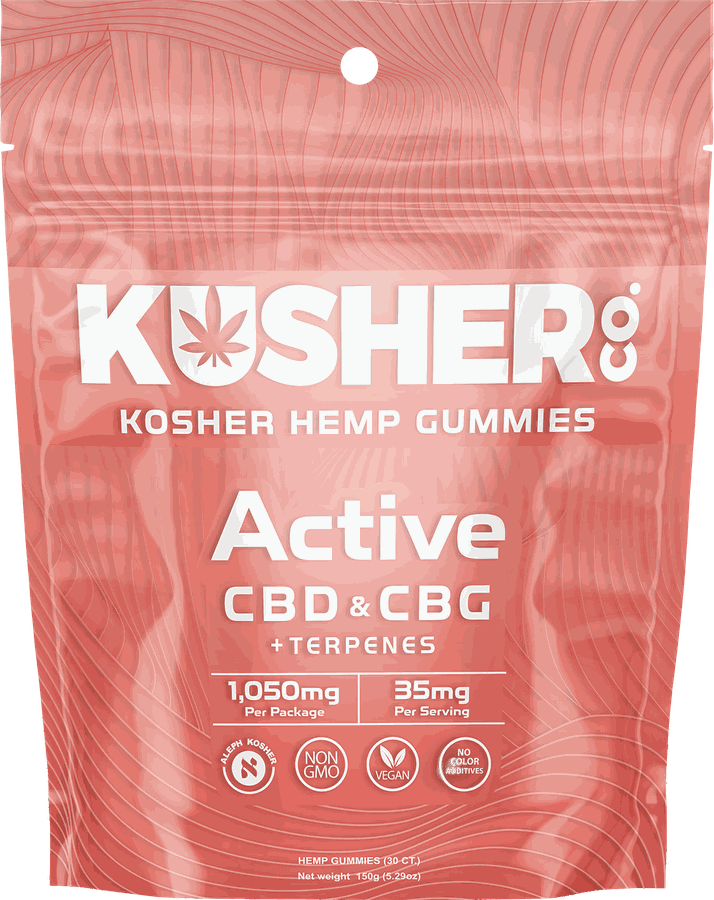
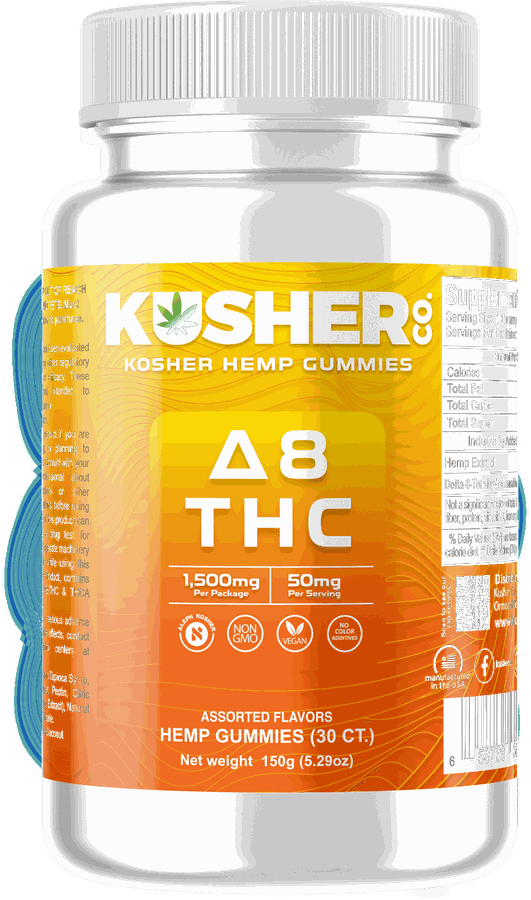
Our Active, Wellness, Night Time and Happy Hour gummies are $29.99 and the D8 jar is $39.99, and all of them are flavored products by design. Terpenes appear in the Active and Wellness formulas as a listed component, which means there is a plant aromatic contribution in the mix that the flavoring is working with rather than against.
What live resin brings to the Happy Hour formula
Live resin is extract made from plant material that was frozen fresh rather than dried and cured first. Freezing preserves the volatile compounds that ordinary drying drives off, so the resulting extract carries a fuller and brighter aromatic profile than an equivalent extract from dried material.
In the Happy Hour Kosher Hemp Gummies, live resin sits alongside Delta-8 and Delta-9 with total THC under 0.3%. Its contribution to what we are discussing here is aromatic. It brings a more complete terpene fraction into the formula than a conventionally processed extract of the same cannabinoids would.
We have written about live resin as its own subject elsewhere, so we will leave the processing detail there. For the purposes of taste, the short version is that freezing the input material is a decision about which volatile compounds survive to the finished product, and you can taste the answer.
Topicals smell strong for a different reason
The aroma of our topicals comes mostly from ingredients we put in rather than from the hemp extract. The Cooling Pain Relief Gel at $25.00 carries rosemary and thyme extract, tea tree and mint alongside its 500mg of CBD. The Cooling Relief Stick and Heating Relief Stick at $20.00 each carry eucalyptus, mint and tea tree.
Those are all strongly aromatic botanicals in their own right, and their smell has nothing to do with cannabinoid content. Menthol is sharp and cold smelling. Eucalyptus is medicinal and camphorous. Tea tree is pungent and unmistakable. Put together they overwhelm whatever the extract contributes.
The Joint and Muscle Roll on Relief at $20.00 with 350mg carries menthol, tea tree and aloe, and reads the same way. When you smell one of these products, you are smelling the botanical ingredients, not the hemp. Anyone using topical aroma as a gauge of cannabinoid strength is reading the wrong signal.
A strong taste is evidence, not a defect
We want to state this plainly because the category trains people the other way. If your full spectrum tincture tastes strongly of plant, that is consistent with it being what it says it is. The taste is the terpene and chlorophyll fraction announcing itself.
The reverse is also worth knowing. A tincture claiming to be full spectrum that tastes like nothing at all is a product worth asking questions about, because the aromatic material that produces that taste should be present. It is not proof of anything on its own, but it is a reason to look at the certificate of analysis rather than assume.
None of this makes taste a substitute for lab testing. A certificate of analysis is the document that settles composition. Taste is a fast, free, imperfect first impression that lines up with the document more often than shoppers expect.
When taste is telling you something is actually wrong
There is a version of a taste change that is worth acting on, and it is not the same as a bottle tasting strong. What you are watching for is a change in a product you already own, from how it tasted when you opened it.
- A sharp, sour or crayon like note appearing in an oil that did not have it before, which is what oxidized fat tastes like.
- A musty or moldy smell in any product, which is a reason to stop using it rather than to investigate further.
- Cloudiness or visible separation in a tincture that arrived clear and stayed clear until now.
- A stick or gel that smells rancid rather than botanical.
Those are storage and shelf life signals rather than formulation signals. Heat, light and air are what drive them. A bottle that lived on a windowsill or in a car will show this sooner than one that lived in a cupboard.
Why we do not strip the taste out
We could make a milder tasting tincture. The way to do it is to purify further, and further purification removes the terpenes and minor cannabinoids that make a full spectrum extract full spectrum. At the end of that road is an isolate that tastes like nothing because it is one compound.
That is a legitimate product and plenty of people prefer it. It is simply not the product we chose to make. Our tincture is described as full spectrum on the label, and a mild taste and a full spectrum extract are in direct tension with each other. We would rather deliver the composition and be upfront about the taste than the reverse.
The other option is heavy added flavoring, which is what we do in the gummies where it makes sense. In a tincture it would mean adding a flavor system to a product whose appeal is a short ingredient list. We think the tradeoff runs the other way there.
Practical ways to handle a taste you do not enjoy
If the taste is the thing standing between you and using a product you already bought, there are ordinary approaches worth trying before writing it off. None of these change the composition of what you are taking.
- Take it alongside food rather than on its own, which puts other tastes in the same mouthful.
- Keep something with a strong taste of its own to hand for immediately afterward.
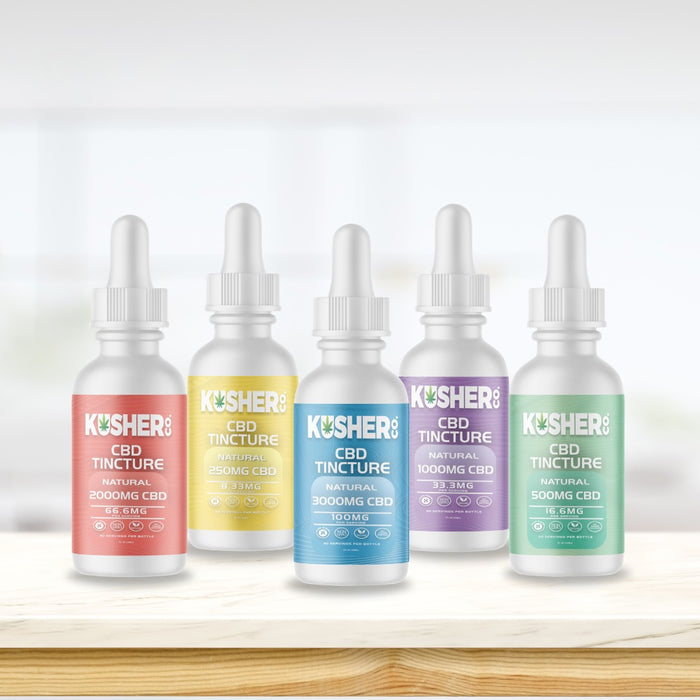
- Choose a higher strength on the ladder so the same milligram figure arrives in a smaller volume of oil. Our 3000mg bottle at $40.00 delivers twelve times the concentration of the 250mg at $20.00.
- Switch format entirely. A flavored gummy at $29.99 removes the taste question rather than managing it.
The last one is the honest answer for a lot of people. Format preference is a real preference and there is nothing wrong with deciding that a tincture is not for you on taste alone.
Bottom line
Hemp products taste the way they do because of what is still in them. Terpenes bring the aroma, chlorophyll and plant lipids bring the green bitterness, and an isolate tastes like nothing because those compounds were removed to get it. A strong plant taste in a full spectrum product is evidence of composition rather than a sign that something went wrong.
Our tincture tastes like a plant and we are not going to apologize for it, because the alternative is a different product. Gummies are flavored because a candy matrix needs it, and our topicals smell like eucalyptus, mint and tea tree because those are the ingredients doing the smelling. The only taste change worth worrying about is a change in a bottle you already own, and that one is about storage rather than formulation.
Frequently Asked Questions
Why does my CBD oil taste so grassy?
Because the compounds that make plants taste like plants are still in it. A full spectrum extract carries terpenes, which are the volatile aromatic oils from the same resin glands that produce cannabinoids, plus some chlorophyll and plant lipids that survived processing. Chlorophyll in particular brings the bitter, vegetal note that anyone who has eaten raw greens would recognize. Cannabinoids themselves have very little taste at the concentrations in a finished product, so nearly everything you taste either came from the rest of the plant or was added afterward by the maker.
Does a stronger taste mean a stronger product?
Not in the sense of cannabinoid content, no. Taste tracks how much of the rest of the plant is present, not how many milligrams of CBD are in the bottle. A heavily purified 3000mg product could taste milder than a lightly processed 250mg one, because purification removes the aromatic fraction along with everything else. What taste does tell you is roughly where a product sits on the spectrum between whole extract and isolate. For potency, the milligram figure and the certificate of analysis are the only things that answer the question properly.
Why does isolate have almost no flavor?
Because getting to isolate means removing everything except one cannabinoid. Terpenes, chlorophyll, waxes, lipids and the other cannabinoids are all stripped out until a crystalline powder of a single compound is left. The compounds responsible for taste are precisely the ones that were removed, so what remains has almost nothing to taste. This is why a very neutral tasting product is usually either heavily purified or heavily flavored, and often both. It is not a trick, it is the direct consequence of how the material was made.
What does live resin add to the Happy Hour gummies?
Aromatically, a fuller terpene profile. Live resin is made from plant material that was frozen fresh rather than dried and cured first, and freezing preserves volatile compounds that ordinary drying drives off. In the Happy Hour Kosher Hemp Gummies it sits alongside Delta-8 and Delta-9 with total THC under 0.3%, and its contribution to taste and smell is a more complete aromatic fraction than a conventionally processed extract of the same cannabinoids would carry. We have written about live resin as its own subject elsewhere if you want the processing detail.
Why do your topicals smell so strong?
The smell comes from the botanical ingredients rather than from the hemp. The Cooling Pain Relief Gel carries rosemary and thyme extract, tea tree and mint. Both relief sticks carry eucalyptus, mint and tea tree. The Joint and Muscle Roll on Relief carries menthol, tea tree and aloe. Each of those is a strongly aromatic material on its own, and together they overwhelm whatever the extract contributes. That means topical aroma tells you nothing about cannabinoid content, so anyone using how strongly a product smells as a gauge of strength is reading the wrong signal entirely.
When is a taste change a reason to stop using something?
When it is a change in a bottle you already own, rather than a bottle simply tasting strong. Watch for a sharp, sour or crayon like note appearing in an oil that did not have it before, which is what oxidized fat tastes like. A musty or moldy smell in any product is a reason to stop rather than to investigate. Cloudiness or visible separation in a tincture that arrived clear is another. Those are storage and shelf life signals driven by heat, light and air, and a bottle kept on a windowsill or in a car will show them sooner.
Does the taste vary between batches?
A modest amount, yes, and that is normal. Terpene profiles shift with growing conditions, harvest timing, drying and storage, because hemp is an agricultural crop rather than a manufactured chemical. Two batches made from two different harvests will not taste identical. Cannabinoid content is a different matter, since it is held to a specification and verified by lab testing, so the milligram figure stays stable across batches. The aromatic fraction is not pinned to a target in the same way, because doing that would mean stripping it out and rebuilding it, which produces a different product.