News · 19 August 2026
What to Ask a Hemp Seller Before You Buy Anything
Ask a hemp seller six questions before you spend anything, and judge them on the shape of the answers rather than the enthusiasm behind them. A person who knows their own products answers with specifics and says so plainly when they do not know something. A person who is reselling something they never looked at answers with adjectives.
This is written to be useful wherever you shop, including places we have nothing to do with. We sell in this category, so treat everything below as advice from an interested party, and then use it on us. The questions work the same either way.
Which cannabinoids are in this, and how much of each
This is the opening question and it is doing more work than it appears to. It is not really about numbers. It is about whether the person selling to you thinks of cannabinoids as distinct compounds or as one undifferentiated thing called hemp.
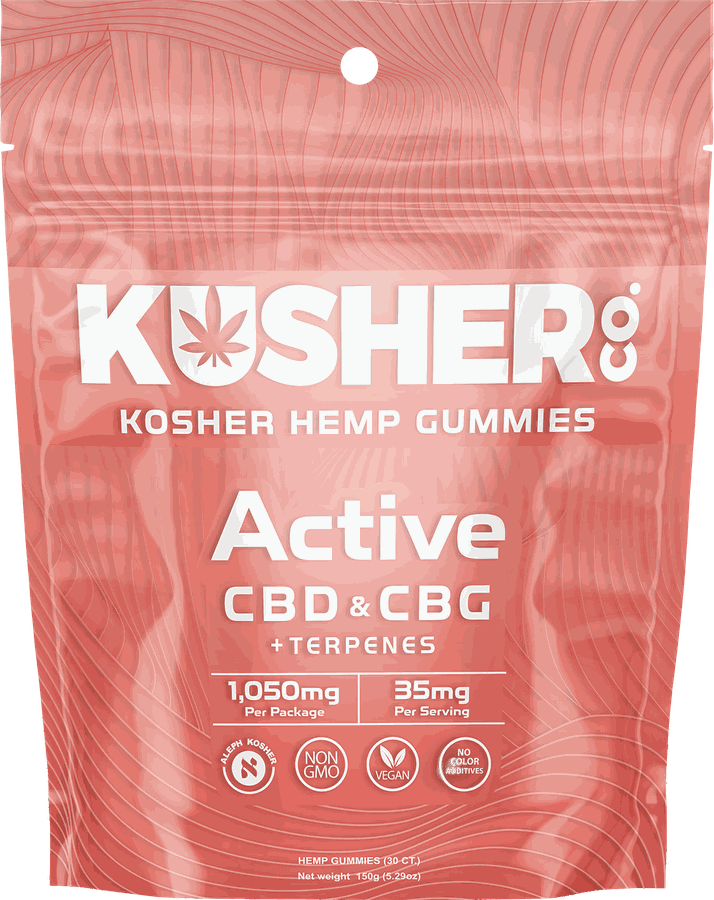
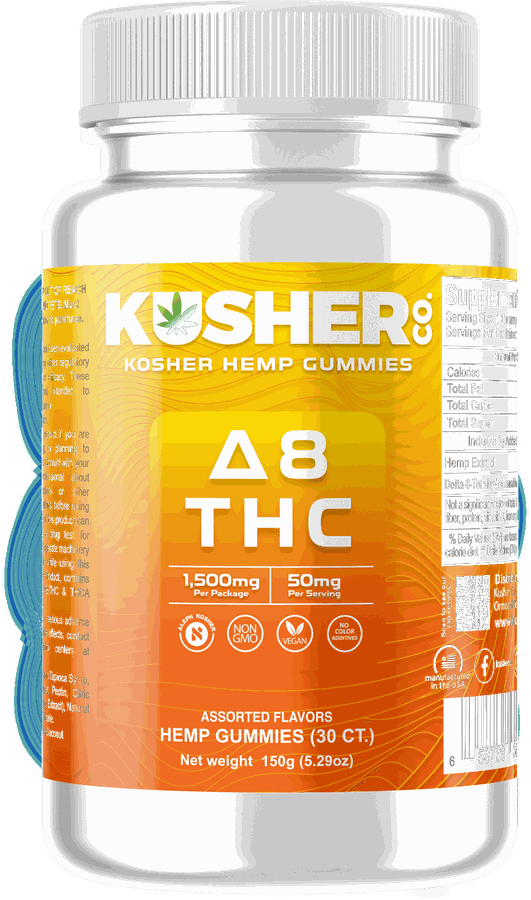
A good answer names compounds and separates them. Something like CBD with CBG alongside it, or CBD with CBN and melatonin, or delta-8 and delta-9 together, tells you the seller understands that a formula is a set of decisions. Our own lineup splits along exactly those lines, and a person who cannot make that distinction about their own shelf has not read their own labels.
A non answer is a single total with no breakdown, or the phrase full spectrum offered as though it were a specification. Full spectrum describes a type of extract, not a quantity, and a seller who uses it to close down the question rather than open it up is dodging.
Why a total number by itself is not an answer
A single total is the most common way a real answer gets replaced with a number that looks like one. Total cannabinoid content tells you nothing about the split, and the split is the entire difference between two products that carry the same headline figure.
A formula built on one cannabinoid and a formula that divides the same total across three are different products with the same number on the front. If a seller cannot break the total apart when asked, either the information is not on hand or the product was bought in without anyone looking closely at what was in it.
Push once, gently. Ask what the split is. The answer arrives quickly from someone who knows and turns into a description of quality from someone who does not, and that switch from numbers to adjectives is the tell.
Is that number for the container or for one serving
This question catches more confusion than any other, and it is not always a trick being played on you. Both conventions exist honestly in this category. A tincture is normally described by the total in the bottle, and a topical is normally described by the total in the tube or jar.
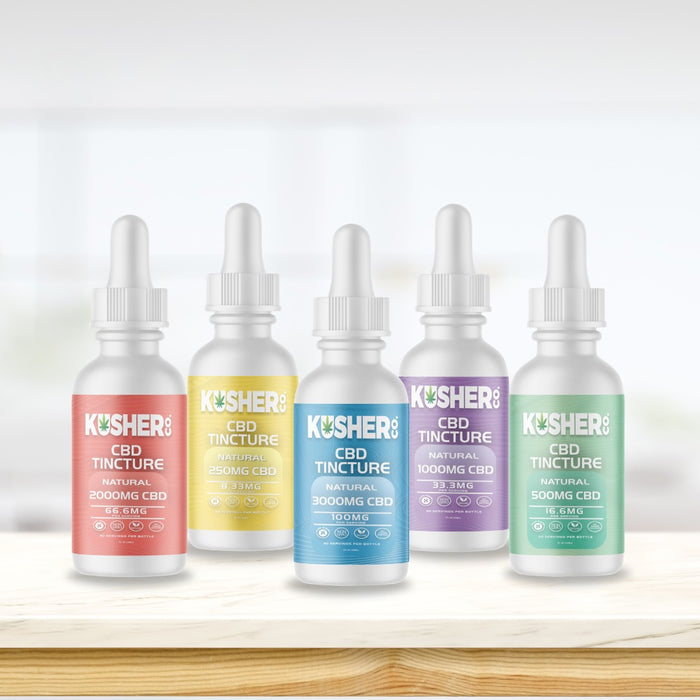
Our own descriptions follow that convention. The Full Spectrum Kosher Hemp Extract CBD Tincture runs from 250mg at $20.00 up to 3000mg at $40.00, and those are bottle totals rather than per dropper figures. The Cooling Pain Relief Gel at $25.00 carries 500mg in the container, and the Joint and Muscle Roll on Relief at $20.00 carries 350mg in the container.
Where it gets genuinely murky is gummies, because both conventions are in use across the industry. A number can be per piece or per package and the label does not always make it obvious. Ask which one it is, every time, and be careful about comparing two products until you know you are comparing the same unit.
Who verified this, and what exactly did they check
Two halves, and the second half is the one people forget. Anyone can say tested. The useful information is who did the testing and which questions the test answered.
A good answer distinguishes between an outside laboratory and in house equipment, and it distinguishes between a potency panel, a contaminant screen and a terpene panel. Those are separate tests answering separate questions, and a product can have one and not the others. A seller who knows the difference will say which ones they hold.
A non answer is the phrase lab tested delivered as a complete sentence. It names no laboratory, no date and no analyte, and it is compatible with almost anything. Ask which laboratory, ask what the panel covered, and ask whether the report matches the batch you are being sold.
What else is in the formula
A hemp product is mostly not hemp. Everything else in it is the carrier, the base, the sweetener, the flavor system and whatever makes the format work, and that material is the majority of what you are buying by weight in nearly every case.
This question matters most for anyone with an allergy, a dietary standard, or a strong preference about ingredients. Coconut oil and shea butter, which are the base of both of our relief sticks, are relevant information to some people and irrelevant to others. Tea tree, eucalyptus, mint, menthol, rosemary and thyme extract and aloe all appear across our topicals, and any one of them can matter to a particular person.
A good seller can list the non hemp ingredients without going to look. A weak answer treats the question as unusual, which suggests it does not get asked much and that the ingredient list is not something the seller has internalized.
How fresh is this batch
Almost nobody asks this and it separates sellers quickly. Every batch has a production date and a batch number, and both of those should be findable on the package or from whoever is selling it to you.
The question is not really about spoilage. It is about inventory. A seller who can tell you when a batch was made is a seller with records and turnover. A seller who has no idea is telling you that stock arrives, sits, and goes out again without anyone tracking it.
There is a second reason to ask. A batch number is what connects a product to a laboratory report, so a seller who cannot identify the batch cannot give you a report that provably describes what you are holding. The two questions are linked more tightly than they look.
Can I see the certification, and what does it cover
If a certification matters to you, ask to see the document rather than the symbol. This applies to kosher certification, which is our own case, and to any other certification a seller puts on a box.
The two things to look for on the document are the expiration date and the scope. Certification attaches to a defined production process, so a company can be genuinely certified while a particular item is outside what the paper covers. Those are compatible facts, and only reading the document reveals it.
A good answer produces the certificate. A non answer points at the logo, or says the manufacturer handles that, which is a way of saying the seller has not read it either.
What happens if it turns out to be the wrong choice
Ask about returns before you buy rather than after, and ask it as a factual question about policy rather than as a hint that you expect a problem. Hemp products are consumables in a regulated category, so an opened jar or bottle cannot go back into inventory, and any seller telling you otherwise is describing something that is not how ingestible goods work.
A good answer states the policy in one sentence and draws the line at the point of opening. It will usually cover damage in transit separately, because a leaking container or a broken bottle is a shipping question rather than a change of mind. A seller who has thought about this has a different answer for each of those two situations.
The non answer is vagueness in your favor. Sure, we will take care of you sounds generous and commits to nothing, and it is the version you will remember differently than they do six weeks later. Get the policy in writing, and treat a clear no as more useful than a warm maybe.
Listen to the shape of the answer, not just the content
Across all of these questions the most reliable signal is not whether the answer is correct. It is whether the answer is specific, whether it arrives quickly, and whether the seller is willing to say that they do not know.
I do not know, let me check is the single best answer on this list. It appears when someone has a real standard for what counts as knowing something, and a seller with that standard is more trustworthy on the questions where you cannot check them than one who has an immediate answer for everything.
The pattern to distrust is fluency without specifics. Confident, warm, quick, and empty of numbers, names and dates. That combination is what a salesperson sounds like when they have been given talking points instead of documents.
The question you should not have to ask, and what happens if you do
Buyers often want to ask a seller what a product will do for them. It is a natural question and it is the one a hemp seller cannot properly answer, because this category is regulated and specific outcome statements about the body are not something a seller is permitted to make.
So watch what happens when you ask it. A seller who declines, and redirects you to what is in the product and how it is made, is following the rules that govern this category. That is a good sign about how they operate generally.
A seller who answers eagerly with confident outcome talk has told you something important about themselves. They are either unaware of the rules or comfortable ignoring them, and neither of those is a quality you want in the person who also controls what goes on the label.
Questions that sound smart and get you nothing
Some questions feel rigorous and produce no usable information. Is this organic gets a yes from almost everyone and means little without knowing what was certified by whom. Is this natural means nothing at all in this context.
Is this the strongest you have is a question that invites the least useful answer in the shop. Strength is a specification you should choose deliberately, and framing it as a competition hands the decision to whoever is selling.
Is this legal deserves a mention because the answer is nearly always yes and the yes rarely helps. The useful version is more specific. Ask what the total THC content is and what the laboratory report says about it, since that is where the actual answer lives.
Asking in person versus asking in writing
These questions behave differently depending on the channel, and it is worth choosing on purpose. In person you get speed, hesitation and body language, which are informative in ways an email cannot be. You also get social pressure that makes it hard to push twice.
In writing you get a record, and a written answer is one someone had time to check. Email is the better channel for anything document shaped, because a link to a laboratory report or a certificate either arrives or does not, and a company that promises to send one and never does has answered you completely.
Our own suggestion is to ask the document questions in writing and the judgment questions in conversation. You want the certificate in your inbox and you want to hear how quickly somebody says they will have to check.
What a good seller will ask you back
The conversation is not one directional, and a seller who asks nothing is not paying attention. Reasonable questions coming back at you include whether you have used anything in this category before, which format you are looking for, and whether you have a preference between a topical and something you take by mouth.
Those questions are how someone narrows a shelf into a recommendation. A seller who skips all of it and goes straight to the highest strength item is optimizing for the size of the sale rather than for whether you come back.
There is one more thing a good seller does, which is tell you when the answer is no. Not everyone should buy from this category, and a seller who occasionally says that this is not for you is a seller whose yes carries weight.
Bottom line
Six questions cover it. What cannabinoids and how much of each, container or serving, who tested it and what the panel covered, what else is in the formula, when the batch was made, and can you see the certification with its date and scope. Ask them in that rough order and you will know within a couple of minutes whether the person selling to you has read their own documentation.
Judge the shape more than the content. Specifics, speed and a willingness to say I do not know beat confidence every time. And pay close attention to what happens when you ask what a product will do for you, because a seller who cheerfully answers that question is showing you exactly how carefully they treat everything else.
Frequently Asked Questions
What is the single most useful question to ask a hemp seller?
Which cannabinoids are in this, and how much of each. It looks like a question about numbers and it is really a question about whether the seller thinks of cannabinoids as distinct compounds or as one undifferentiated thing called hemp. A good answer names compounds and separates them, the way CBD with CBG differs from CBD with CBN and melatonin, or from delta-8 and delta-9 together. A non answer is a single total with no breakdown, or the phrase full spectrum offered as if it were a specification. Full spectrum describes a type of extract, not a quantity, and using it to close the question down is a dodge.
Why does it matter whether a milligram figure is per container or per serving?
Because two products can carry the same number and mean completely different things by it, and both conventions exist honestly in this category. A tincture is normally described by the total in the bottle, so our Full Spectrum Kosher Hemp Extract CBD Tincture running from 250mg at $20.00 to 3000mg at $40.00 is quoting bottle totals. Topicals are normally described by the total in the container, which is how the 500mg Cooling Pain Relief Gel at $25.00 and the 350mg Joint and Muscle Roll on Relief at $20.00 are labeled. Gummies are where it gets murky, since a number can be per piece or per package. Ask which unit before you compare anything.
How should a seller answer a question about lab testing?
By naming who did it and what they checked, because those are two separate things and the second one gets forgotten. A good answer distinguishes an outside laboratory from in house equipment, and distinguishes a potency panel from a contaminant screen from a terpene panel. Those tests answer different questions and a product can have one without the others. A non answer is the phrase lab tested delivered as a complete sentence, with no laboratory named, no date and no analyte. Follow up by asking which laboratory, what the panel covered, and whether the report matches the batch number on the item you are being sold.
Why ask how fresh a batch is?
Mostly because of what the answer reveals about the seller rather than the product. Every batch has a production date and a batch number, and both should be findable on the package or from whoever is selling it. A seller who can tell you has records and turnover. A seller with no idea is telling you that stock arrives, sits and leaves without anyone tracking it. There is a second reason too. The batch number is what connects a product to a laboratory report, so a seller who cannot identify the batch cannot hand you a report that provably describes the item in your hand.
What should I make of a seller who tells me what a product will do for me?
Treat it as a warning rather than as service. This category is regulated, and specific outcome statements about the body are not something a seller is permitted to make. So the interesting part is what happens when you ask. A seller who declines and redirects you to what is in the product and how it was made is following the rules that govern the whole industry, which is a good sign about how they operate elsewhere. A seller who answers eagerly is either unaware of those rules or comfortable ignoring them, and neither is a quality you want in the person who also decides what goes on the label.
Which questions are not worth asking?
Is this organic gets a yes from nearly everyone and means little without knowing what was certified and by whom. Is this natural means nothing at all in this context. Is this the strongest you have invites the least useful answer in the shop, because strength is a specification to choose deliberately rather than a competition to win, and framing it that way hands the decision to the person selling. Is this legal almost always gets a yes that does not help. The sharper version of that last one is asking what the total THC content is and what the laboratory report says about it, since that is where the real answer sits.