News · 19 August 2026
What Happens to a Hemp Product Between the Warehouse and Your Door
Your order spends most of its life in conditions nobody is monitoring, and the two that matter are heat and time. A package moves from a climate controlled shelf into a truck, sits in a sorting facility, rides in a delivery vehicle that may reach well above the outside air temperature, and then waits at your door. Nothing about that journey is unusual, and every format we sell responds to it differently.
We can control packing, we can control when an order leaves, and we cannot control the temperature inside a van in July or how long a box sits on a porch. This is an honest account of what happens in between, what each format tolerates, and where your own decisions actually change the outcome.
The trip is longer than the tracking page suggests
A tracking page shows a handful of scans, which makes the trip look like a series of clean hops. The reality between scans is warehouses, staging areas, trailers waiting to be loaded, and vehicles parked in the sun with the engine off. A package that shows two scans in a day may have spent most of that day stationary somewhere warm.
The scans you do not see are the ones that matter most for a product with a fat based carrier or a confection texture. Loading docks are not climate controlled in most facilities. Trailers absolutely are not. A box in the middle of a stack is insulated by everything around it, which cuts both ways depending on what the surrounding temperature has been.
None of this is a complaint about carriers. Moving parcels at that volume at that cost requires exactly this kind of operation. It is simply the actual environment, and it is worth understanding before deciding when to place an order in August.
Where the heat actually comes from
People picture the outside air temperature and stop there. The three places a package gets hottest are usually a parked delivery vehicle, a metal mailbox and an unshaded doorstep, and all three can run considerably warmer than the day itself because they are enclosed or dark or both.
A delivery vehicle is the big one during the trip. It is a large metal box that opens and closes all day, and the cargo area is not cooled. On a warm afternoon the interior climbs well past what the forecast said, and a package near the end of the route has been in there since morning.
The mailbox is the big one after delivery. A closed metal container in direct sun is efficient at collecting heat and poor at losing it, and a package left there while you are at work sits in that condition for hours. For most of what we sell, the post delivery wait is a bigger risk than anything that happened in transit.
Time and temperature are one problem, not two
Heat exposure is a function of how hot and for how long, and the two trade against each other. A brief warm spell in a trailer is a different event from a mild but sustained afternoon in a mailbox, and the second one is often the more consequential of the pair even though the peak number was lower.
This is why shipping speed is not just about convenience. A shorter transit window narrows the number of opportunities for a package to sit somewhere warm, and it shrinks the total exposure even if it does not lower the peak. Fewer handoffs also means fewer staging areas where a box waits.
The practical version of this idea is that the last few hours are usually where the damage happens, because that is the stretch with the highest temperatures and the least supervision. That is also the stretch you personally have the most control over.
Gummies are the format that dislikes heat most
A gummy is a confection, and confections are built around a texture that exists in a particular temperature range. The gelling system holds a shape at room temperature and softens as things warm up. This is basic candy behavior, and it is true of any gummy regardless of what is in it.
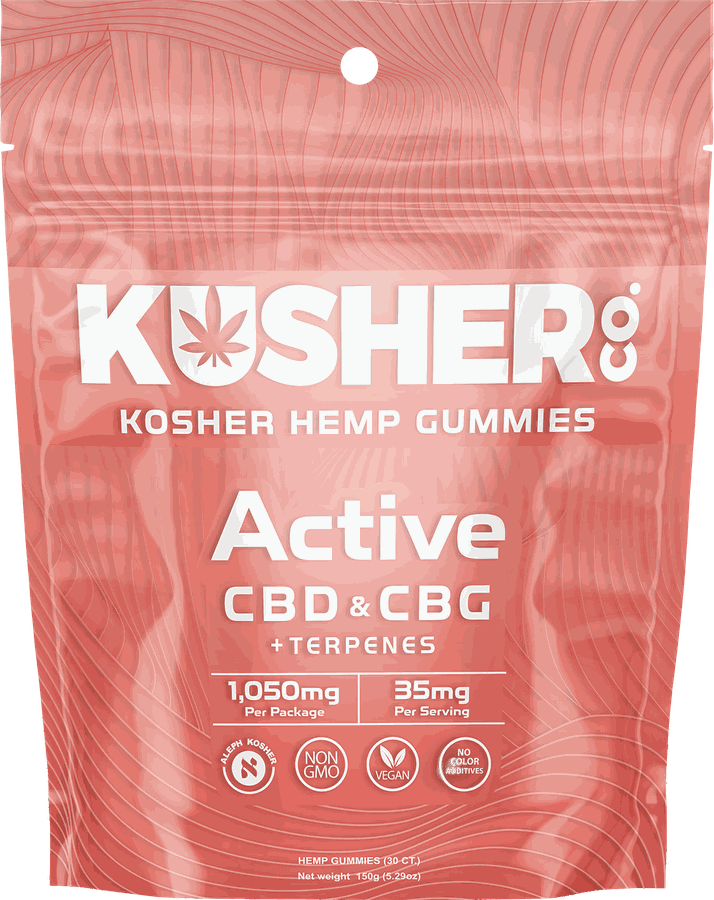
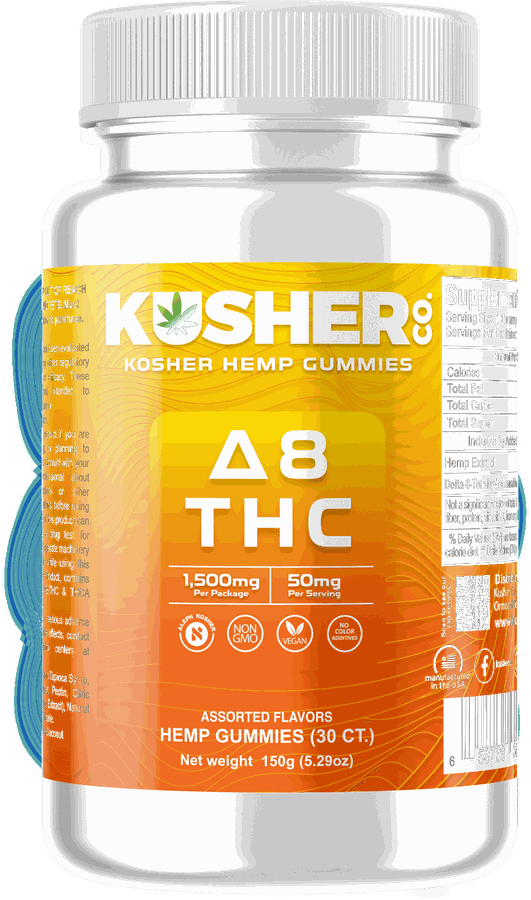
Warm gummies stick to each other, take on the shape of whatever they are pressed against, and can fuse into a mass if enough of them soften while touching. Our gummies at $29.99 and the D8 jar at $39.99 are both subject to this, because the physics belongs to the confection rather than the cannabinoid.
The dusting and separation you find in a gummy package is partly there for exactly this reason. It is doing work during transit that you never see, and it is the difference between pieces that separate cleanly on arrival and pieces that arrived as one unit.
What a heat affected gummy looks like when you open it
The signs are visual and tactile. Pieces that have taken on the shape of their neighbors, a surface that looks glossy or wet, sugar that has gone from a dry coating to a syrupy film, or a group that has consolidated at one end of the bag. Occasionally a package that has cooled again in transit hardens back into a shape that reveals where it had been.
A gummy that softened and re cooled is a cosmetic problem more than anything else. The pieces are unattractive and hard to separate, and the portioning is now uncertain because the boundaries between pieces are no longer where the manufacturer put them. That last part is a real issue if you care about a consistent serving.
What changes the calculus is time. A one time softening on a hot afternoon is one thing. A package that has been repeatedly warmed and cooled over a longer trip is a different situation, and if the contents arrive as a single mass we would rather hear about it than have you attempt to salvage it.
The sticks are built on fats, and fats have melting points
Our Cooling Relief Stick and Heating Relief Stick are both $20.00 and both carry 500mg of CBD in a base of coconut oil and shea butter. Those two ingredients are the reason the format works as a solid you can push up and apply, and they are also the reason the format has a temperature ceiling.
Coconut oil in particular changes state near ordinary warm room temperatures rather than near anything exotic. A stick in a hot vehicle can soften enough to slump, and a softened stick that cools again solidifies in whatever shape it was in at the time. The result is a stick with a rounded or uneven face, or product that has moved to one side of the tube.
The composition is not altered by this. It is the same coconut oil and shea butter base with the same eucalyptus, mint and tea tree in it. The change is physical and mostly geometric, and the practical consequence is that the applicator no longer works as neatly as it did when it left.
Gels and roll ons behave differently again
Our Cooling Pain Relief Gel at $25.00, the Joint and Muscle Roll on Relief at $20.00 and the Pain Relief Gel Roll On at $20.00 are water phase products rather than solid fat sticks, and they do not slump the way a stick does. Their vulnerability is different. Warmth can thin a gel, and a thinner gel behaves differently coming out of a roll on head.
Plastic packaging is its own factor here. Warm plastic flexes more, which matters for a container that relies on a seal and a ball or a cap staying put. Most leaks in this category come from a pressure or seal issue in transit rather than from anything wrong with the formula inside.
Cold has an effect on these too, in the opposite direction. A gel that has been through a freezing night is thicker and harder to dispense until it comes back to room temperature. That one usually resolves itself with a few hours indoors.
Tinctures in glass are the most stable, and not immune
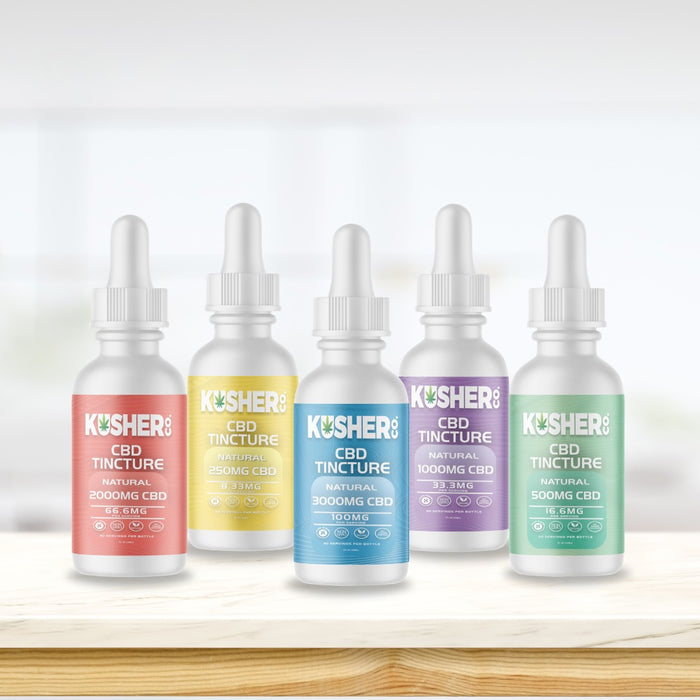
Our Full Spectrum Kosher Hemp Extract CBD Tincture ships in glass, and glass is a better barrier than any plastic. It does not flex with temperature the way a bottle or a tube does, it does not interact with the oil inside it, and the seal on a dropper cap is a simpler mechanical problem than a roll on head.
Light is the trade off. Glass is transparent unless it is deliberately not, which is why bottles in this category are usually dark. That coloring is a functional choice rather than a design one, and it is doing its job specifically during the parts of the journey where a box gets opened, staged in a lit area, or left in the sun.
Heat still matters for an oil, just on a longer timescale than it does for a confection. A tincture does not melt and it does not lose its shape. What repeated heat exposure works against is how long the contents stay in the condition they left in, which is why the storage advice for these is a cool dark place rather than a windowsill.
Cold is a real variable, just a less dramatic one
Winter shipping gets less attention because a frozen package rarely looks damaged. Most of what happens in the cold is reversible. Oils thicken, gels stiffen, gummies get firm, and everything returns to normal after a few hours at room temperature.
The thing worth watching is packaging under freezing conditions rather than the contents. Plastic gets brittle when it is very cold, and a cold plastic component that gets dropped is more likely to crack than a warm one. A glass bottle that arrives intact from a cold trip is generally fine.
If a package arrives cold, the useful move is patience. Bring it inside, leave it alone for several hours, and evaluate it once it has come back to room temperature rather than immediately.
What we control on our side
Packing is ours. Whether items are cushioned, whether a stick sits upright, whether a glass bottle has protection at the neck, and how much void space is in the box are all decisions made before the label goes on. So is when an order leaves, which determines whether a package is moving during a heat wave or sitting through a weekend at a facility.
Order timing is the underrated one. A package that ships on a Friday afternoon in summer may spend two extra days somewhere warm before anyone touches it again, and the difference between that and a Monday departure has nothing to do with packaging materials.
What we do not control is everything after handoff. Route order, vehicle conditions, weather, and how long a box sits at your address are outside our reach, and any seller who tells you otherwise is describing a system they do not operate.
What you can actually do
Your influence is concentrated in the last stretch, which is fortunate because that is where most of the risk lives. A few decisions genuinely change the outcome.
- Ship to an address where someone is present during the day, or to a workplace, rather than to an empty house in summer.
- Bring the package in promptly. Hours in a mailbox on a hot afternoon are worse than anything that happened in the truck.
- Avoid ordering gummies to arrive during a heat wave if you can wait a week.
- Let a hot or cold package come to room temperature before you open it and judge it.
- Store what arrives in a cool dark place rather than back in the sun on a counter.
None of that is complicated and all of it is more useful than choosing a different packing material. The temperature of your own doorstep is the variable you can move most easily.
When to contact us instead of working around it
There is a line between cosmetic and unacceptable, and we would rather you use ours than guess. Gummies fused into one mass, a stick that arrived as liquid or with the base separated, a leaking gel container, or a broken glass bottle are all reasons to get in touch rather than to make do.
Pieces that stuck together slightly and pull apart with a bit of effort, a stick face that is uneven but solid, or a gel that seems thicker or thinner than expected before it settles are all in the ordinary range for a package that traveled through a warm day.
Photograph it before you do anything else. A picture taken on arrival, before you have picked at the contents or left the box on the counter for a day, is the most useful thing you can give anyone trying to work out what happened and where.
Bottom line
Heat and time are the whole story, and the most dangerous stretch of the trip is the part after the package reaches your address. Gummies are the least tolerant format because a confection depends on a texture that softens. The sticks are next, because a coconut oil and shea butter base has a melting point. Gels and roll ons are more about seals and viscosity, and a tincture in dark glass is the most stable thing we ship without being invulnerable.
Order timing and a prompt trip from the doorstep to a cool shelf do more than any packaging upgrade could. Judge a package after it has come back to room temperature, photograph anything that looks wrong before touching it, and tell us when something arrives fused, leaking or broken rather than deciding to live with it.
Frequently Asked Questions
Will my gummies be ruined if they arrive on a hot day?
Usually not, but they may not look right. A gummy is a confection, so the gelling system softens as things warm up and the pieces stick to each other or take on the shape of whatever they are pressed against. If they cooled again in transit they may arrive as a firm clump. Slight sticking that pulls apart with a bit of effort is ordinary for a warm day trip. A package that arrived as one solid mass is a different situation, mainly because the boundaries between pieces are no longer where they were put, which makes a consistent serving impossible to judge. Photograph that and get in touch.
Why does a relief stick arrive with an uneven face?
The base is coconut oil and shea butter, and both of those are solid at room temperature and soft when it gets warmer. Coconut oil in particular changes state near ordinary warm conditions rather than at any extreme. If the stick softened in a delivery vehicle and then cooled, it solidified in whatever shape it happened to be in, which can mean a rounded or slanted face or product that has shifted to one side of the tube. The composition has not changed. It is the same base with the same eucalyptus, mint and tea tree in it. What has changed is the geometry, so the applicator is less neat than it was.
Is a tincture in glass safe from all of this?
It is the most stable format we ship, not an immune one. Glass does not flex with temperature the way plastic does, it does not interact with the oil inside, and a dropper cap is a simpler seal than a roll on head. The trade off is light, which is why bottles in this category are dark rather than clear. That coloring is functional and it earns its keep during the parts of the journey where a box gets opened or staged under lights. Heat still matters for an oil, on a longer timescale than for a confection, which is why the storage guidance is a cool dark place rather than a sunny counter.
Does cold weather shipping cause problems?
Less than heat, and most of what happens is reversible. Oils thicken, gels stiffen, gummies get firm, and everything comes back after a few hours indoors at room temperature. The variable worth watching in freezing conditions is the packaging rather than the contents, because plastic gets brittle when it is very cold and a cold component that gets dropped is more likely to crack than a warm one. If a package arrives cold, the useful move is patience. Bring it inside, leave it for several hours, and evaluate it once it has come back to room temperature rather than judging it the moment it lands.
What part of the trip is actually the riskiest?
The part after the package reaches your address. A closed metal mailbox in direct sun collects heat efficiently and loses it poorly, and a box left there while you are at work sits in that condition for hours. An unshaded doorstep is similar. The delivery vehicle is the main risk during transit, since the cargo area is not cooled and a package near the end of a route has been in there since morning. Both of those beat the outside air temperature by a good margin. The useful consequence is that your own timing at the doorstep changes the outcome more than any packing material does.
Can I do anything about shipping conditions when I order?
More than you would expect, and it is mostly about the last stretch. Ship to an address where somebody is present during the day rather than to an empty house in summer. Bring the package inside promptly instead of leaving it in a mailbox. If a heat wave is forecast and you can wait a week, order the gummies after it passes. Let a package that arrives hot or cold come back to room temperature before you open it and judge it. Then store it somewhere cool and dark rather than on a sunny counter. Order timing and a fast trip indoors beat any packaging upgrade.