News · 19 August 2026
Why Some Products List Their Terpenes and Others Do Not
A terpene panel is a separate laboratory test from a potency panel, ordered separately and paid for separately, which is why most products never publish one. The potency test that nearly every hemp company runs answers a different question, and it does not produce terpene numbers as a byproduct. If nobody ordered the second test, there is nothing to list.
That single mechanical fact explains most of what looks like inconsistency across a shelf. It is rarely a case of one company being open and another hiding something. It is usually a case of one company having a document and another not having bought one.
What a potency panel actually covers
The standard test in this industry is a cannabinoid potency panel. It measures how much of each cannabinoid is present, typically reporting CBD, CBG, CBN, delta-9 THC, delta-8 THC and a handful of others, along with a total. That is the test behind almost every milligram figure you see on a label.
It is the test that has to exist. Potency is what a buyer is paying for, it is what a label claims, and in a category with a legal THC threshold it is what keeps a product on the right side of a line. No responsible company skips it.
What it does not do is say anything about terpenes. Different compounds, different analytical method, different report. A company can hold a complete and current potency certificate and have no terpene data at all, and nothing about that situation is unusual or evasive.
The second test is a real cost
A terpene panel is its own line item on a laboratory invoice, and the cost lands per batch rather than per product. A company running many batches across many items is looking at that charge repeatedly, not once. Multiply a per batch fee across a year of production and the decision to skip it starts to look like arithmetic rather than secrecy.
There is also a turnaround cost. Every additional test is another wait before a batch can be released, and in a category where freshness matters, sitting on finished inventory waiting for a report nobody legally requires is a hard sell inside a company.
We are not offering that as an excuse. We are pointing out that the absence of terpene data usually comes from a budget conversation, and understanding that is what stops a buyer from reading too much into silence.
Named versus merely mentioned
This is the distinction that does most of the work when you are reading a product page. There is a real difference between a label that says terpenes and a label that names them. The first is a category word. The second is a claim about specific contents that can be checked.
The word terpenes on its own tells you the maker believes terpenes are present. That belief may be well founded, since a full spectrum extract naturally carries terpene content from the plant. It is still a statement about a category of compounds rather than about any particular one.
A named terpene is a different kind of statement. Naming a compound invites someone to ask how much of it is in there, and a company that names without holding data has created a question it cannot answer. That asymmetry is why cautious companies stay general even when they have a good idea what is in the extract.
Why our Active and Wellness gummies name terpenes as a component
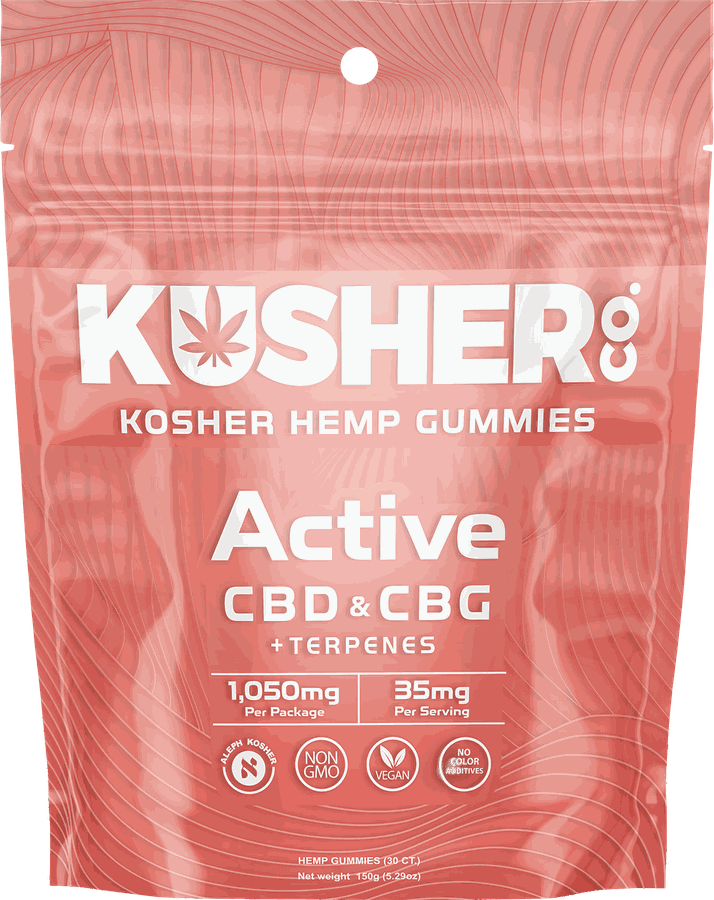
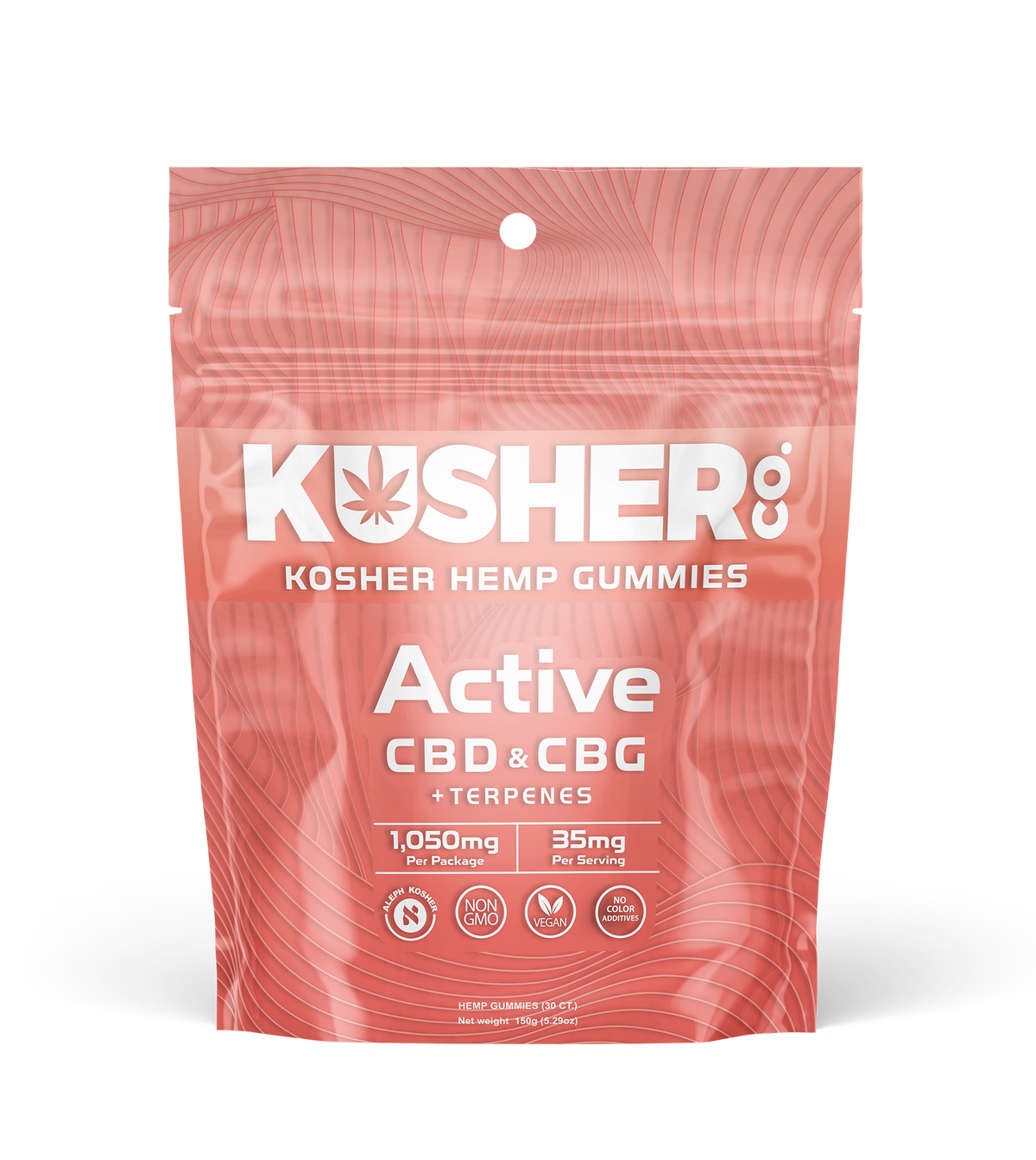
Our Active Kosher Hemp Gummies at $29.99 contain CBD and CBG together with terpenes, and our Wellness Kosher Hemp Gummies at $29.99 contain CBD with terpenes. In both cases terpenes are listed as a component of the formula, which is a statement about what goes into the product rather than a claim about a measured concentration.
We describe it that way deliberately. Terpenes are part of what those two formulas are built from, and leaving them off the description would misrepresent the composition. Presenting them as a quantified specification would be a stronger claim than the documentation supports.
The honest summary is that composition and quantification are two different levels of disclosure, and we are giving you the first. A buyer should read it as a compositional statement and should not treat it as a substitute for a terpene panel, because it is not one.
Full spectrum extract carries terpenes whether or not anyone measured them
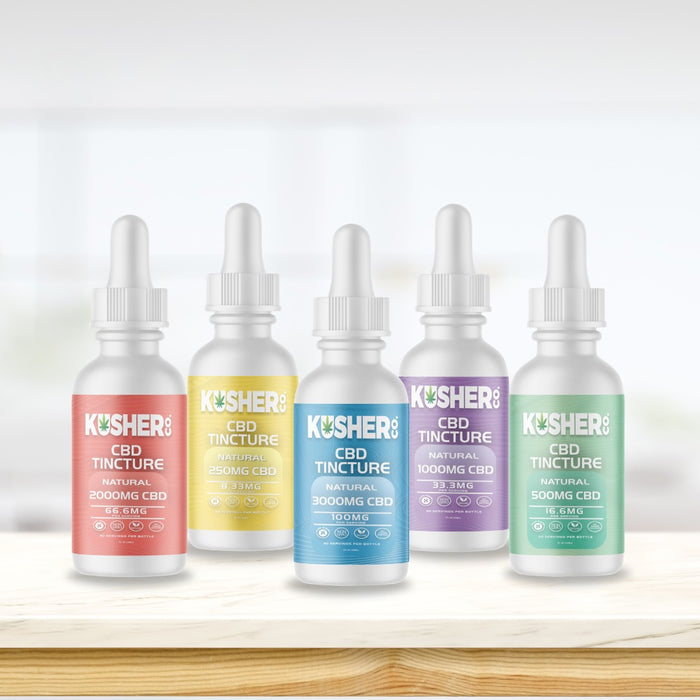
Our Full Spectrum Kosher Hemp Extract CBD Tincture is what it says on the bottle. Full spectrum describes an extract that retains the range of compounds from the plant material rather than being stripped down to a single isolated cannabinoid, and terpenes are among the compounds in that range.
Their presence follows from the extraction approach. Nobody has to add them, and a company describing an extract as full spectrum is already making an implicit statement about what class of compounds is in there.
What varies is the amount, and it varies for reasons that are genuinely outside anyone's control. Plant material differs by harvest, by growing conditions and by handling before extraction, and terpenes are volatile compounds that respond to heat and processing. Two honest batches of the same product can differ, which is exactly why a serious terpene claim has to be batch specific rather than printed once on a box.
What silence does not mean
An absent terpene list is weak evidence about almost everything. It does not mean the product contains no terpenes, since a full spectrum extract carries them by definition. It does not mean the company is hiding a result, since in most cases no result exists to hide. It does not mean the potency data is unreliable, since that is a separate document that stands or falls on its own.
People tend to read a missing disclosure as a signal, and in this specific case the signal is faint. The far more common explanation is that a company running lean did not add a per batch test whose results nobody is required to publish.
The one thing silence does tell you is that you cannot verify terpene content for that product. That is a real limitation and worth knowing. It is just a much smaller conclusion than the one buyers usually jump to.
What silence does mean when the product is a distillate
There is one situation where the absence of terpene information is more informative. Heavily refined cannabinoid distillates and isolates go through processing steps that remove most of what was in the original plant material, and the terpene content that survives is minimal to none.
In that case a terpene list is not missing because a test was skipped. It is missing because there is very little to report. Some companies add terpenes back afterward, which is a legitimate manufacturing choice, and the reason it can be described accurately is that the amounts added are known quantities rather than whatever the plant happened to contain.
So the useful question is not simply whether terpenes are named. It is what kind of extract you are looking at, because that determines whether terpene content is something inherited from the plant or something specified by a formulator.
Why naming a terpene creates a problem some companies would rather avoid
There is a regulatory dimension here that shapes disclosure in a way most buyers never see. Individual terpenes have accumulated a lot of folklore, and a named compound on a label tends to attract descriptions of what it is supposed to do. Those descriptions are exactly the kind of language a hemp company cannot use.
The safest way to stay away from that trap is to avoid naming compounds at all, and plenty of companies take that route. It is an overcorrection, and it costs the buyer real information, but the reasoning behind it is not dishonest.
Our position is that composition is a factual matter and belongs on a product page. What a compound is, where it comes from and whether it is in the formula are all describable. What it does inside a person is not something we will write, and we would treat any company willing to write it as a warning rather than a service.
What a terpene list actually gets you
Assume you find a product with a genuine terpene panel attached. What have you learned? You have learned the identity and concentration of specific aromatic compounds in a specific batch, which is real information about composition and a real basis for comparing one batch to another.
It also tells you something about the company. Ordering an optional per batch test and publishing the result is a spend with no regulatory requirement behind it, and companies do not do that casually. It is a reasonable signal about how they approach documentation generally.
What it does not get you is a prediction. A terpene profile is a compositional fact, not a promise about your experience, and the confident interpretations of individual terpenes that circulate online are far ahead of what the evidence supports.
How to read a terpene section on a laboratory report
If you do get a report, a few things are worth checking before you trust the numbers on it.
- Confirm the batch number on the terpene report matches the batch number on the product in your hand, since terpene content varies between batches more than cannabinoid content does.
- Check the date, because a report from a year ago describes a batch that is probably long gone.
- Look at whether the report comes from an outside laboratory or from the manufacturer's own equipment.
- Notice which compounds were tested for, since a panel covers a defined list and anything outside that list simply was not looked at.
- Watch for results reported below the limit of quantification, which means present but too low to measure accurately rather than absent.
That last point catches people out constantly. A dash or a less than symbol on a report is not the same as a zero, and reading it as one leads to conclusions the document does not support.
Asking a seller about terpenes
The question that gets a useful answer is not do your products contain terpenes. Almost any full spectrum product does, so the answer is yes and you have learned nothing. Ask instead whether a terpene panel was run on the batch you are buying, and whether you can see it.
A good answer is one of two things. Either yes, here is the report, or no, we run potency panels and not terpene panels. Both are honest, and the second one is a perfectly respectable answer from a company that has decided where to spend its testing budget.
The answer to be wary of is a confident description of a terpene profile with no document behind it. Specific claims about specific compounds come from laboratory results, and a company that can describe the profile in detail should be able to show you where the detail came from.
Why we would rather explain the gap than paper over it
The easy move here would be to publish terpene names on everything and let the pages look more informative than the documentation supports. It costs nothing and it reads well. We would rather tell you which of our products list terpenes as a component and be clear about what that statement covers.
The trade off is that our pages look plainer than pages that print a compound list with percentages next to it. We accept that. A specification you can check is worth more than a specification that looks impressive, and the difference only becomes visible when somebody asks for the report.
It is also the reason we spend the testing budget where we do. Potency accuracy and kosher certification are the two things our buyers ask about most, and they are the two places a document either exists or does not.
Bottom line
A missing terpene list is usually a missing invoice, not a missing disclosure. The potency panel that produces the milligram figures on a label does not measure terpenes, and the panel that does is an optional extra cost per batch that no regulation requires. Most companies skip it, and reading that as concealment gets the situation backwards.
Treat named terpenes with concentrations as real, checkable information and ask for the batch matched report. Treat the word terpenes on its own as a compositional statement, which is how we use it for the Active and Wellness gummies. And when a company describes a terpene profile in confident detail with no laboratory report behind it, that is the case where you should push, because the specificity has to have come from somewhere.
Frequently Asked Questions
Why do most hemp products not list their terpenes?
Because the terpene panel is a separate laboratory test from the potency panel, ordered separately and billed separately. The potency test that nearly every company runs measures cannabinoids and produces the milligram figures on a label. It does not produce terpene numbers as a byproduct. A terpene panel is an optional extra charge that lands per batch rather than per product, and it adds waiting time before a batch can be released. No regulation requires it. So a company with complete and current potency documentation can have no terpene data at all, and that is an ordinary budget outcome rather than a sign of concealment.
Does a product with no terpene list contain no terpenes?
No. A full spectrum extract retains the range of compounds from the plant material rather than being reduced to a single isolated cannabinoid, and terpenes are part of that range. Their presence follows from how the extract was made, whether or not anyone paid to measure them. The exception is heavily refined distillates and isolates, where the processing removes most of what was in the plant and there is genuinely very little to report. So the more useful question is what kind of extract you are looking at, since that determines whether terpene content is inherited from the plant or specified by a formulator afterward.
What does it mean that your Active and Wellness gummies list terpenes?
It is a statement about composition rather than a measured concentration. The Active Kosher Hemp Gummies contain CBD and CBG together with terpenes, and the Wellness Kosher Hemp Gummies contain CBD with terpenes. Both are $29.99. Terpenes are part of what those formulas are built from, and leaving them out of the description would misrepresent what is in them. Presenting them as a quantified specification would be a stronger claim than our documentation supports. Read it as a compositional statement and do not treat it as a substitute for a batch specific terpene panel, because it is not one.
What is the difference between naming terpenes and just mentioning them?
The word terpenes on its own is a category statement. It tells you the maker believes terpenes are present, which for a full spectrum extract is a reasonable belief, and nothing more specific than that. A named compound is a different kind of claim, because naming something invites the question of how much of it is in there. A company that names without holding data has created a question it cannot answer. That asymmetry is why plenty of careful companies stay general even when they have a good idea what the extract contains, and why a named list with numbers should come with a report.
How do I check a terpene report is actually about my product?
Match the batch number on the report to the batch number on the item in your hand, because terpene content varies between batches more than cannabinoid content does. Check the date, since a report from a year ago describes a batch that is long gone. Look at whether the testing was done by an outside laboratory or on the manufacturer's own equipment. Notice which compounds the panel covered, because anything outside that defined list simply was not looked at. And read a dash or a less than symbol as below the limit of quantification, which means present but too low to measure accurately rather than absent.
What should I ask a seller about terpenes?
Not whether the products contain terpenes, since almost any full spectrum product does and the answer teaches you nothing. Ask whether a terpene panel was run on the specific batch you are buying and whether you can see it. There are two good answers. One is yes, here is the report. The other is no, we run potency panels and not terpene panels, which is a respectable answer from a company that has decided where its testing budget goes. The answer to be wary of is a confident description of a profile with no document behind it, because that level of detail has to come from somewhere.