News · 19 August 2026
What a Certificate of Analysis Is, and How to Read One Without a Chemistry Degree
A certificate of analysis is a lab report on one sample taken from one batch, listing what an independent testing facility found in that sample and how much of it. That is the entire document. It is not an award, it is not a seal, and it does not describe a product line in general. It describes material that existed on a particular day, was sampled, and was pushed through a set of instruments that produce numbers.
We hand these documents out because hemp has almost no useful shortcuts. A label can say whatever fits on the panel. A certificate of analysis is the one place where a figure came out of a machine instead of out of a copywriter. Reading one properly takes about five minutes and no chemistry background, as long as you know which sections exist, which ones are quietly missing, and which single field decides whether any of it applies to the jar in your hand.
The report is about a sample, not about your product
Start with the mental model, because everything else follows from it. A lab never tests your bottle. A lab tests a small quantity of material that someone removed from a much larger quantity and mailed in. Every number on the page is a measurement of that removed material. The leap from that measurement to your bottle is an inference, and how safe the inference is depends entirely on how the sample was taken and whether the batch it came from is the batch you own.
This sounds like a technicality until you see how often it goes wrong. A brand runs one good test, gets a clean page, and then keeps that same page on the site for two years across a dozen production runs. Nothing was falsified. The document is real and the numbers are real. It simply stopped describing anything you can buy some time ago, and nobody took it down.
Who runs the test, and what the lab actually receives
The lab receives a container of material, a form describing what the client believes it is, and a request for a specific list of tests. That request matters more than most people realize. Labs are service providers. They run the panels they were asked to run and bill for those panels. A lab does not volunteer a pesticide screen because it seemed like a good idea, and it does not flag the absence of one on the report.
So the shape of a certificate of analysis is partly a technical document and partly a purchase order made visible. When you read one, you are reading two things at once. You are reading what was found, and you are reading what somebody decided to pay to look for. The second reading is the one almost nobody does.
The potency panel: how much of which cannabinoid
The potency panel, sometimes called the cannabinoid profile, answers a quantity question. It lists the cannabinoids the lab looked for and how much of each one turned up. On a hemp product the list usually runs to somewhere between eight and sixteen compounds, including CBD, CBDA, CBG, CBGA, CBN, CBC, delta-9 THC and THCA, with delta-8 appearing on products where it belongs.
What the panel does is separate the compounds from each other and weigh them. The usual method is liquid chromatography, which pulls a mixture apart into its components by pushing it through a column, then measures each component as it comes off. The output is a set of concentrations. That is the whole job. The instrument has no opinion about the product and no way to form one.
Reading potency numbers without getting lost
Potency shows up in a few different units and the switching is where readers lose the thread. Here is the short version of what you will see.
- Percent by weight. A cannabinoid expressed as a share of the total sample mass. Common on raw material and flower.
- Milligrams per gram. The same idea in a different unit. One percent equals ten milligrams per gram, which is worth memorizing because it converts the two formats instantly.
- Milligrams per unit or per serving. Common on finished goods. This is the number that matches a label.
- ND. Not detected. The instrument saw nothing above its detection threshold.
- Less than LOQ. Below the limit of quantitation. Something is probably there, but not enough for the lab to put an honest number on it.
ND and less than LOQ are not the same statement and a report that uses them interchangeably is being sloppy. ND means the instrument found nothing. Less than LOQ means the instrument found a trace it cannot measure reliably. Both are usually fine on a finished product. Knowing the difference stops you from reading a trace as a zero or a zero as a trace.
Total THC, and the arithmetic hiding behind it
Hemp in the United States is defined by a THC ceiling, so every potency panel carries a total THC figure and that figure is calculated rather than measured directly. The reason is chemistry. In the living plant, most THC exists as THCA, an acid form with an extra carboxyl group attached. Heat removes that group and converts THCA into THC. A lab that measured only the THC already present would understate what the material can become.
So the standard calculation takes the measured THC, adds the measured THCA multiplied by a fixed conversion factor of roughly 0.877, and reports the sum. The factor comes from the difference in molecular weight between the two forms, since the acid group is lost during conversion and the resulting molecule is lighter. When you see a total THC line that does not equal the THC line, this is why. It is not a discrepancy. It is the point.
The contaminants panel answers a completely different question
Potency asks what is in here and how much. Contaminants asks what is in here that should not be. These are separate tests, run by different methods, often on different instruments, and billed separately. A product can have an immaculate potency panel and never have been screened for a single contaminant.
That gap is the most common one in the category, and it is invisible unless you go looking. A page headed Certificate of Analysis with a beautiful cannabinoid table looks complete. It is complete for the question it answers. It says nothing at all about the other question, and its silence is not a reassurance.
What a full contaminants screen usually covers
Contaminant testing is really a family of panels rather than one test. The common members are these.
- Pesticides. Hemp is a field crop and pesticide screens run to dozens or hundreds of analytes.
- Heavy metals. Usually lead, arsenic, cadmium and mercury. Hemp draws metals out of soil efficiently, which makes this panel more relevant here than it is for most crops.
- Residual solvents. Only relevant where solvents were used in extraction, which is most extraction.
- Microbials. Total yeast and mold counts, plus specific organisms like salmonella and certain E. coli strains.
- Mycotoxins. Compounds produced by molds, tested separately from the molds themselves.
- Water activity and moisture. Mostly on raw material, since it predicts whether mold can grow later.
Each of those is a line item on a lab invoice. When a brand publishes a certificate of analysis that includes all of them, the brand paid for all of them. That is worth something, and it is a fact you can verify by reading rather than a claim you have to accept.
The terpene panel is separate, and most products never run it
Terpenes are the aromatic compounds that give hemp its smell. They are measured by a different technique from cannabinoids, typically gas chromatography rather than liquid, because they are volatile and behave differently in an instrument. That means a terpene profile is an additional test with an additional cost, ordered on purpose.
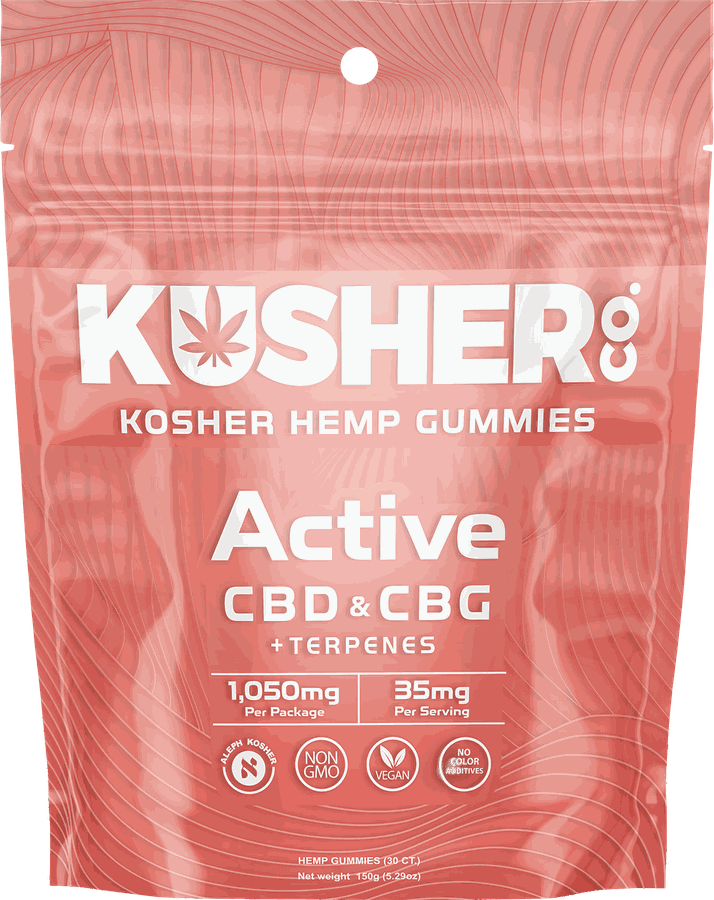
The practical consequence is that terpene panels are rare. Plenty of products list terpenes as an ingredient and have never had them quantified. There is nothing dishonest about that as long as nobody claims a number, but it does mean the word terpenes on a label is a description of composition rather than a measured quantity. Two of our own formulas list terpenes among their contents, and we would rather say plainly that a terpene panel is a separate test than let anyone assume potency testing covered it.
The batch number is the field that makes the rest mean anything
Near the top of every certificate of analysis there is a batch or lot identifier. It looks like housekeeping. It is the most load-bearing field on the page.
The rule is simple and unforgiving. If the batch code on the document does not match the batch code printed on your container, the document tells you nothing about your container. Not less. Nothing. It is an accurate report about a different production run, and a different production run means different raw material, a different extraction, possibly a different supplier, and certainly a different day. A CoA that cannot be tied to a physical unit is a document about somebody else's hemp.
This is also the reason we would rather a brand publish a batch lookup than a single flattering PDF. One document per product is a marketing asset. One document per batch, findable by the code on the jar, is a record. The second one costs more to maintain and it is the only version that survives contact with a skeptical reader.
Two dates, and they are not the same date
Most reports carry a received or sampled date and a report or issue date. The gap between them is turnaround time and is rarely interesting. The gap between either of them and today is very interesting.
Cannabinoid content is not fixed forever. Material changes over time, which is a subject in its own right. A potency figure measured shortly after production is a fair description of that material at that moment. The same figure quoted three years later is a historical fact being presented as a current one. Nobody lied. Time simply passed, and the document did not update itself.
The lab, the method, and the accreditation line
Somewhere on the report, usually in a footer or a header block, sits the identity of the lab and often an accreditation reference. The one worth knowing about is ISO/IEC 17025, an international standard for the competence of testing laboratories. An accredited lab has been assessed by an outside body against that standard for the specific methods it is accredited for.
Read that last part twice. Accreditation is scoped to methods. A lab can be accredited for potency and not for pesticides. The accreditation logo on the page does not automatically cover every panel printed underneath it. This is the sort of detail that sounds like pedantry right up to the moment it matters, and it costs you nothing to check the scope.
What a certificate of analysis cannot tell you
Being clear about the limits is what makes the document useful rather than decorative. A CoA does not tell you how the sample was collected, and a badly collected sample undermines every figure derived from it. It does not tell you whether earlier attempts on the same batch produced worse numbers. It does not tell you anything about how the product was manufactured, what else went into it, or how it was stored between the lab bench and your door.
It also cannot tell you what the product will do. That is not a limitation of the document, it is a category error about what a measurement is. Chromatography measures quantity. Questions about the human body are not chromatography questions, and any page that answers them by pointing at a lab report has confused two entirely different kinds of statement.
How this reads across our own catalog
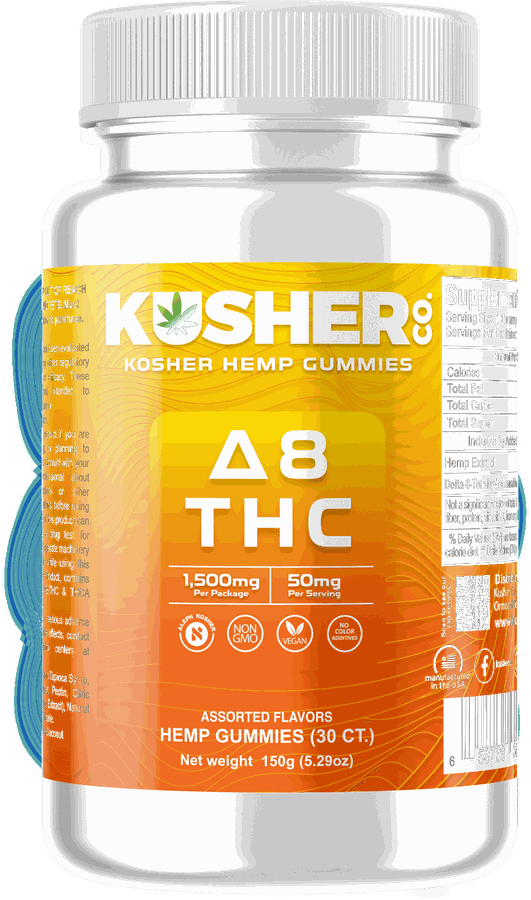
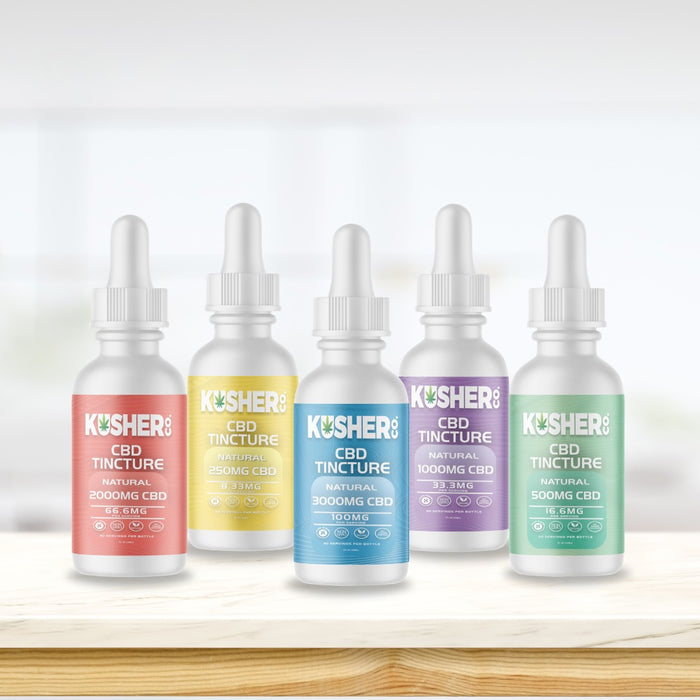
Our range is small, which makes the testing picture easier to describe honestly. The gummies are finished goods, so the meaningful potency number is per piece rather than per jar, and that is the figure a finished-goods report should carry. The Full Spectrum Kosher Hemp Extract CBD Tincture runs from 250mg up to 3000mg across five bottles, so the same extract appears at five different concentrations and each strength is its own production question. The topicals, from the Cooling Pain Relief Gel down to the roll ons, are emulsions where the cannabinoid is dispersed through a base, which makes even distribution a real manufacturing problem rather than a given.
Across all of it, the same three questions do the work. Which panels were run. Which batch the page describes. When it was issued. Get those three right and you have read the document better than most people ever will.
Bottom line
Treat a certificate of analysis as a receipt for a set of measurements, not as a badge. Check the batch code against the container first, because if those do not match nothing else on the page is about you. Then check which panels are present, since potency, contaminants and terpenes are three separate purchases and only one of them is nearly universal. Then check the date. A brand that publishes batch-level reports covering more than potency is telling you something real about how it spends money, and that is a far better signal than any sentence written on a label.
Frequently Asked Questions
Is a certificate of analysis the same thing as being lab tested?
Not quite. Lab tested is a phrase. A certificate of analysis is the document behind it, and the document is far more informative because it names the batch, the panels, the methods and the date. A brand can say lab tested truthfully after running one potency panel on one batch years ago. The certificate makes that visible. If a seller uses the phrase but will not show you the page, you have learned something about the phrase.
Why does the total THC number not match the delta-9 THC number?
Because total THC is calculated rather than measured. In hemp, much of the THC exists as THCA, an acid form that converts to THC when heated. The standard calculation adds the measured THC to the measured THCA multiplied by a factor of roughly 0.877, which accounts for the weight lost when the acid group comes off during conversion. A report showing a total THC line higher than the delta-9 line is doing the arithmetic correctly, not contradicting itself.
What does ND mean on a certificate of analysis?
ND means not detected. The instrument looked for that compound and found nothing above its detection threshold. It is different from a result written as less than LOQ, which means the lab saw a trace but not enough of one to put a reliable number on it. LOQ is the limit of quantitation, the lowest concentration the method can measure with confidence. Both entries are common and neither is a problem on its own, but they are two different statements and a careful report keeps them distinct.
Does a terpene profile come standard on a certificate of analysis?
No. Terpenes are measured by a separate technique from cannabinoids, usually gas chromatography rather than liquid chromatography, and that is an extra test with an extra cost. Most hemp products never have one run. A label can list terpenes as part of the composition without any of them ever having been quantified, which is accurate as a description and silent as a measurement. If a terpene breakdown matters to you, look for the panel specifically rather than assuming potency testing covered it.
What should I do if the batch number on the report does not match my jar?
Treat the report as unrelated to your jar, because it is. Batch codes exist so that a document can be tied to a physical production run, and a mismatch means the page in front of you describes different material made on a different day from a different lot of raw input. Ask the seller for the report matching your code. A brand that keeps batch-level records can produce it quickly. A brand that cannot is telling you that its published document is a marketing asset rather than a record.
How old is too old for a certificate of analysis?
There is no fixed cutoff, but the useful question is whether the batch it describes is still the batch on sale. Production runs turn over, and a report that predates several of them has stopped describing current inventory even though every number on it was true when it was issued. Cannabinoid content also changes gradually as material ages, so an old potency figure quoted today is a historical measurement presented as a present one. Match the batch first, then look at the date.