News · 18 August 2026
How to Store Hemp Gummies and Topicals So They Are Still What You Paid For
Light, heat, air and time are working on every hemp product you own, starting the day it was made. That is not a scare line, it is chemistry, and the useful part is that each of those four does its damage differently to each format. A gummy fails one way. A stick built on coconut oil and shea butter fails a completely different way. A tincture in amber glass fails a third way.
Which means generic storage advice is close to useless. "Keep it in a cool dry place" is true and tells you nothing about why the stick you bought two months ago suddenly seems to do less per swipe, or why the gummies that spent an afternoon in your car are never going to be quite right again. This is the specific version, format by format, with no invented shelf life numbers, because we have not measured one and we are not going to make one up.
Four things are working on these products at all times
Light breaks down cannabinoids. Ultraviolet is the worst of it, which is why extract ships in dark glass rather than clear, but ordinary daylight through a window is doing work too.
Heat speeds up every chemical reaction that was already happening slowly, and it does more than that to formats where physical structure matters. Air, specifically oxygen, reacts with the compounds directly and gets a fresh chance every time a container is opened. Time is the one nobody can do anything about, and its whole job is to give the other three more opportunities.
Every piece of storage advice below is just an attempt to reduce exposure to one of those four. There is no fifth trick.
Each format fails in its own way
Here is the map, and it is worth having in your head before the detail.
- Gummies fail on heat, structurally and fast
- Sticks fail on heat too, but the failure is about dispensing rather than damage
- Anything aromatic fails on air, and it announces itself by smelling weaker
- The tincture fails on light, heat and oxygen together, slowly, invisibly
- Roll ons are the most forgiving format we make, for reasons worth understanding
Notice that heat appears in nearly every line and that the consequences are not the same consequence. That is the part that generic advice flattens out.
Gummies and heat, starting with the car
A hot car is genuinely bad for gummies and we would rather be blunt about it than polite. The inside of a parked car in summer gets far hotter than the day outside it, it stays there for hours, and the temperature it reaches is well past what a pectin and sugar confection is built to hold.
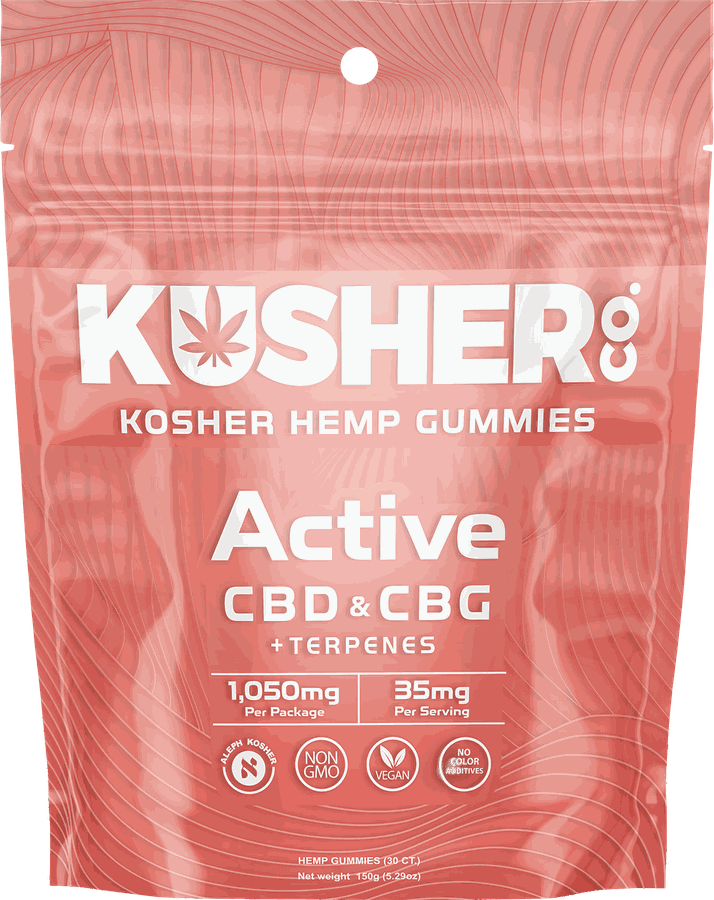
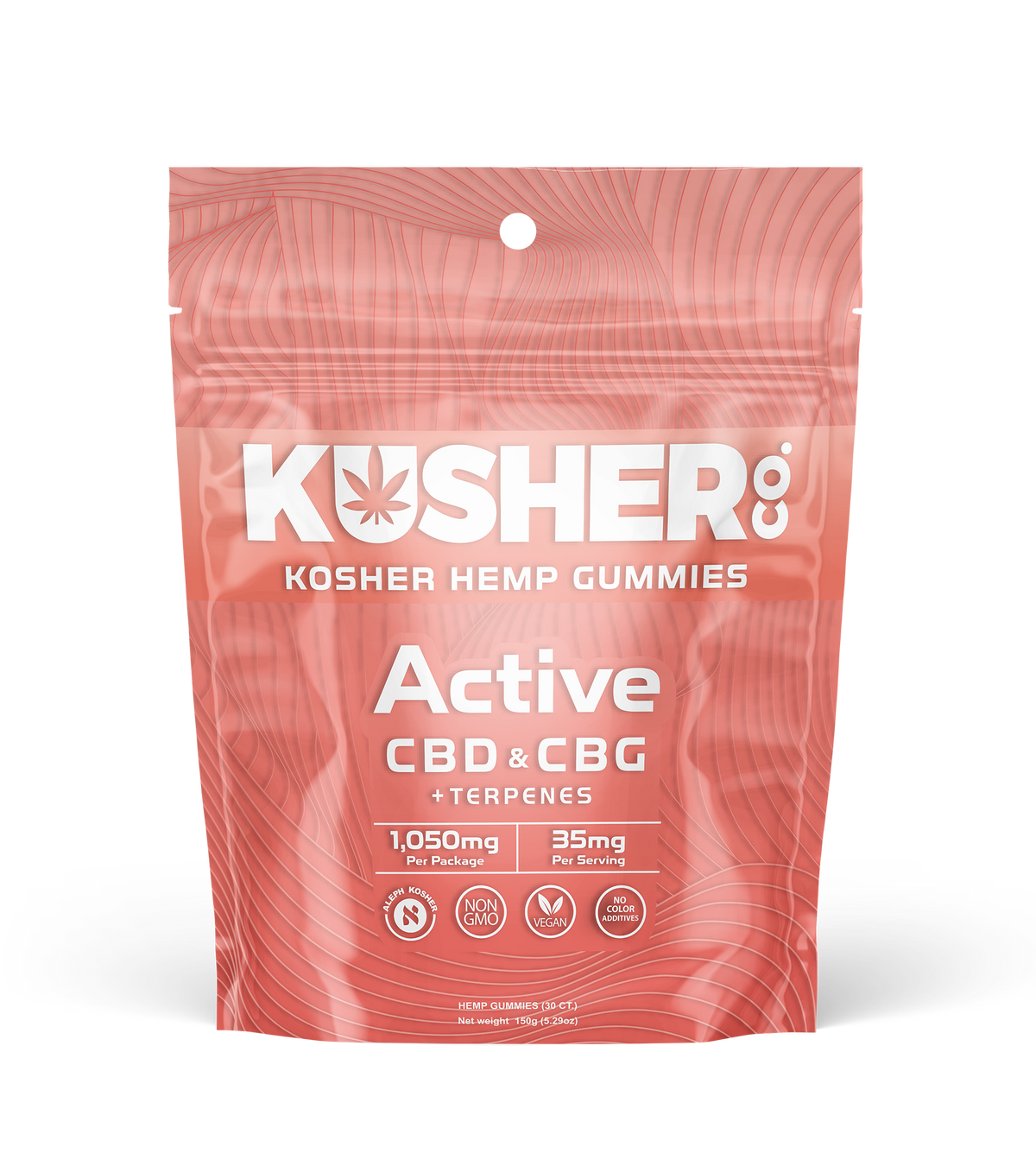
Our gummies are $29.99 across the Active, Wellness, Night Time and Happy Hour formulas and they are all confections first. Sugar, pectin, water content, a shaped piece with a coating. That structure is a physical achievement that holds together across a normal range of room temperatures and stops holding together above it.
The awkward truth is that this is the most common way people damage a product they just bought. Groceries, a stop on the way home, a bag left on a seat in the sun. It is nobody's fault and it is completely avoidable once you know it matters.
What a hot gummy actually becomes
The first thing that goes is the coating. Sugar dissolves into the surface moisture, the pieces get tacky, and they start sticking to each other and to the pouch.
Then the shape goes. Pieces fuse into a single mass, or slump into whatever the container shape is. When that mass cools it sets again as one lump, and you now have a portioning problem you did not have before. A product with a defined piece size only holds that meaning while the pieces are still pieces.
We are not going to pretend to know exactly what heat does to every ingredient in every formula, because we have not measured that and no honest store can tell you. What we can say plainly is that the physical object stops being the object it was, and the dividing line you were relying on to know what you took is gone.
The sticks are the format that surprises people
Cooling Relief Stick and Heating Relief Stick are both $20.00 with 500mg CBD, and both are built on coconut oil and shea butter. Those are the ingredients that make a stick a stick. They are also the reason it is the most temperature sensitive thing we sell.
Coconut oil is solid at a cool room temperature and liquid at temperatures a warm room can reach. Shea butter softens across a similar range. Neither of those is a defect. It is what those butters do, and it is exactly why they work as a base you can push against skin.
The trade-off is that the format has no margin. A stick left somewhere warm does not degrade dramatically, it just goes soft, and soft is a different product to use than firm.
A soft stick dispenses far more per pass than you meant
This is the practical failure and almost nobody sees it coming. A firm stick releases a controlled amount as you push it across skin, because the resistance of the solid is what meters it. Warm the same stick and that resistance drops. The same pressure and the same pass now deposits several times more material.
Which is how a stick that should last for weeks empties in a fraction of that, with the user convinced the product is small or that they are using it correctly. They are using it exactly as before. The stick changed, not the technique.
The fix is unglamorous and works. Keep sticks somewhere cool and stable, cap them properly, and if one has clearly gone soft, let it firm up before the next use rather than swiping harder to compensate. A stick that has melted and reset may have a slightly different surface than it did when it was made, which is cosmetic rather than serious.
The smell leaving is the ingredient leaving
Mint, eucalyptus and menthol are volatile aromatic compounds. Volatile has a specific meaning here: they evaporate at ordinary temperatures. That is precisely why you can smell them from a distance, and the smell reaching your nose is molecules that have left the product.
So a container left open is not simply losing its scent. It is losing the aromatic ingredients, and scent is just how you find out. Our Cooling Relief Stick and Heating Relief Stick both carry mint and eucalyptus. Joint and Muscle Roll on Relief carries menthol. Cooling Pain Relief Gel carries mint alongside its rosemary and thyme extract and tea tree.
When someone tells us a stick has gone weak after a few weeks, the first question we ask is whether it has been living with the cap off in a bathroom. It usually has. The stick is not weak. The aromatics walked out of an open container, one warm day at a time, and the cap was the only thing that was ever going to stop them.
The roll ons and the gel
Joint and Muscle Roll on Relief and Pain Relief Gel Roll On are both $20.00 with 350mg CBD, and they are the sturdiest format in the range for storage. The reason is structural. The product is a liquid in a sealed housing with a ball closure, so the surface area exposed to air at rest is tiny compared to an open stick or a wide jar.
Store them upright. A roll on left on its side leaves liquid sitting against the ball assembly, which invites seepage and makes the first pass after storage messier than it needs to be. Upright, capped, and away from a heat source covers essentially everything.
Cooling Pain Relief Gel at $25.00 with 500mg CBD sits between the two extremes. It is a gel rather than a butter base, so it does not melt the way a stick does, but every opening exposes a wide surface to air and it carries mint that would rather be somewhere else. Close it fully every time.
The tincture is the classic case
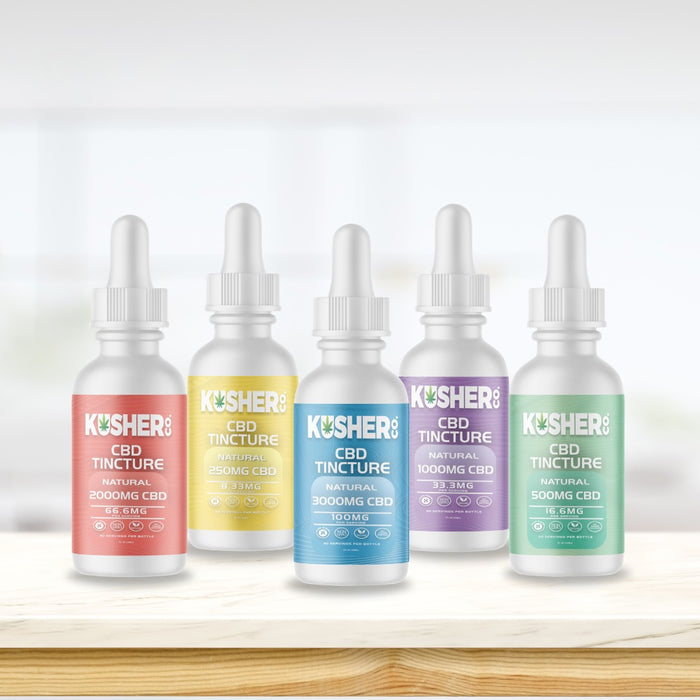
Full Spectrum Kosher Hemp Extract CBD Tincture runs from $20.00 for 250mg to $40.00 for 3000mg, and it is the textbook example of all three enemies working at once.
Light is why it ships in amber glass. Amber filters a good part of the spectrum that does the most damage, which is a real benefit and a partial one. The glass buys time. It does not stop the clock, and a dark bottle on a sunny windowsill is still a bottle taking light and heat all afternoon.
Oxygen is the one people forget, and the dropper is the mechanism. Every time the dropper comes out and goes back in, fresh air enters the bottle and the headspace above the liquid gets renewed. That is unavoidable in normal use. What is avoidable is leaving the cap loose or the dropper resting out of the bottle, which turns an occasional exposure into a continuous one.
The bathroom cabinet is the worst cupboard in the house
It sounds like the sensible place. It is where the other bottles live. It is also a cupboard in a room that heats, steams and cools several times a day, every day.
Repeated temperature swings are harder on a product than a steady warm room, because each cycle drives moisture and air movement in and out of containers. A stick softens and firms and softens again. A gel warms and cools at the surface. That is not a single bad afternoon, it is a small bad thing happening on a schedule.
A bedroom drawer, a hallway cupboard or a kitchen cabinet away from the stove all beat a bathroom comfortably. The criteria are cool, dark, closed and boring. Boring is the important one.
Should any of this go in the fridge
Mostly no, and the exceptions are narrower than people expect.
A fridge is cool and dark, which sounds ideal, and it introduces two problems in exchange. The first is condensation. Anything taken out of a fridge into a warm room pulls moisture onto its surface, and for gummies moisture on the surface means a sticky coating and clumping, which is the exact failure you were trying to avoid. The second is that a chilled stick goes hard enough to be unpleasant to use and needs warming up before it works properly.
If you live somewhere genuinely hot and a cool cupboard does not exist, a fridge is a reasonable last resort for the sticks and the tincture, kept sealed and brought back to room temperature before use. It is not an upgrade over a cool dark cupboard. It is a substitute for one you do not have.
We are not going to print an expiry date we have not measured
Plenty of stores will give you a confident shelf life for a hemp product. We are not going to, because a real number comes from stability testing across time and conditions, and inventing one to sound authoritative is exactly the kind of thing this category does too much of.
What we can tell you is directional and true. These products are best when fresh. Degradation is gradual rather than sudden. Storage conditions change the rate substantially, which is the entire reason this article exists. A bottle kept cool, dark and closed will hold up better than the same bottle on a windowsill, and neither will hold up forever.
The honest practical version is to buy a size you will finish in a reasonable stretch and store it properly, rather than buying the largest bottle for value and then keeping it for a year.
What changed product looks like
Use your senses, since they are better instruments than people give them credit for.
- Gummies that have fused, slumped or turned tacky have been hot
- A stick with a slick or grainy surface has melted and reset
- A topical that smells noticeably fainter than it did has lost aromatics to an open cap
- A tincture that has darkened noticeably or smells sharply different from how it smelled new has had light, heat or air working on it
- Separation in a liquid is worth a look, though some settling is normal and a shake sorts it
None of these mean a product has become unsafe, and we are not going to imply anything about that. They mean it is not the same material you bought, which is a fair thing to know when you are deciding whether to keep using it.
Buy the size you will finish
The tincture ladder makes this concrete. 250mg is $20.00 and 3000mg is $40.00, so twelve times the extract costs twice the money, which is genuinely good value on paper.
It is only good value if you get through it. A large bottle used slowly spends most of its life being stored, and storing extract is exactly the activity this whole article is about limiting. The last quarter of a bottle you have had for a very long time is not the same material as the first quarter was.
Work out roughly how much you use in a week and how many weeks a given size covers. If the answer runs into many months, you are buying storage rather than value, and the smaller bottle is the better purchase even though the math on the shelf says otherwise.
Bottom line
Cool, dark, closed and stable covers most of it, and the specifics are what save you money. Never leave gummies in a car. Cap sticks properly and keep them somewhere that does not get warm, because a soft stick quietly triples what you use per pass. Treat a faint smelling topical as an open container problem before you treat it as a product problem. Keep the tincture out of light and shut the cap firmly every time.
We will not give you an expiry date, because we have not measured one and a made up number would be worth less than nothing. What we will tell you is that storage changes the rate at which these products stop being what you paid for, and that a cupboard costs nothing.
Frequently Asked Questions
Is a hot car really that bad for hemp gummies?
Yes, and it is the most common way people damage a product they just bought. A parked car in summer gets far hotter inside than the outside air, it holds that temperature for hours, and it goes well past what a pectin and sugar confection can hold. The coating dissolves into surface moisture and the pieces turn tacky, then they fuse or slump into the container shape and set as one mass when they cool. Beyond the mess, you have lost your portioning, since a defined piece size only means something while the pieces are still separate pieces. Take the bag inside rather than leaving it on a seat.
Why does my relief stick seem weaker than when I bought it?
Usually because it has been living with the cap off. Both our sticks carry mint and eucalyptus, and those are volatile aromatic compounds, meaning they evaporate at ordinary room temperatures. The scent you smell across a room is those molecules leaving the product. An open container loses them steadily, so the stick that smelled strong in week one smells faint by week six. The stick did not go bad and the formula did not change. The aromatics walked out of an open container, and the cap was the only thing that was ever going to stop them. Cap it fully after every use.
Why does a warm stick run out so much faster?
Because the firmness of the stick is what meters the dose. Our Cooling Relief Stick and Heating Relief Stick are built on coconut oil and shea butter, which are solid when cool and soften as they warm. A firm stick resists as you push it across skin, and that resistance is what limits how much material comes off per pass. Warm it up and the resistance drops, so the same pressure and the same stroke deposit several times more product. People assume they are using too much or that the stick is small. They are using it exactly as before, and the stick is what changed.
Should I keep hemp products in the refrigerator?
Usually not. A fridge is cool and dark, which sounds ideal, but it brings two problems. Condensation forms on anything taken from a fridge into a warm room, and surface moisture on gummies produces exactly the sticky clumping you were trying to prevent. Chilled sticks also go hard enough to be awkward to use until they warm back up. A cool dark cupboard is the better answer in almost every case. If you live somewhere genuinely hot and no cool cupboard exists, the fridge is a reasonable substitute for the sticks and the tincture, kept sealed and brought back to room temperature before use.
How long do these products last?
We are not going to give you a number, because a real shelf life comes from stability testing across time and conditions and we have not run one. Inventing a date to sound authoritative would be worse than saying nothing. What is true and useful is directional. These products are at their best fresh, degradation is gradual rather than sudden, and storage conditions change the rate substantially. A bottle kept cool, dark and closed holds up better than the same bottle on a windowsill. The practical version is to buy a size you will actually finish in a reasonable stretch and store it properly.
Why is the tincture in an amber bottle?
Because light breaks down cannabinoids and amber glass filters a good part of the spectrum that does the most damage. It is a real benefit and a partial one. The dark glass buys time rather than stopping the clock, so an amber bottle on a sunny windowsill is still a bottle absorbing light and heat all afternoon. Oxygen is the other factor and the dropper is how it gets in. Every time the dropper comes out and goes back, fresh air enters the bottle. That is unavoidable in use. What is avoidable is leaving the cap loose, which turns an occasional exposure into a continuous one.
Where is the best place in a house to keep these?
Somewhere cool, dark, closed and boring. A bedroom drawer, a hallway cupboard or a kitchen cabinet away from the stove all work well. The bathroom cabinet is the worst common choice despite being the most intuitive, because a bathroom heats, steams and cools several times a day. Repeated temperature cycling is harder on a product than a steady warm room, since every cycle drives moisture and air in and out of containers and softens and re-firms anything with a butter base. Avoid windowsills, avoid anywhere above or beside a heat source, and avoid leaving anything in a car or a gym bag.