News · 18 August 2026
How Kosher Certification Affects What Goes Into and Stays Out Of a Hemp Formula
Kosher certification decides part of a hemp formula before anyone tastes it. It rules certain ingredients out entirely, it forces others to come from a documented source rather than the cheapest available one, and it makes some product formats meaningfully harder to build than others. The label you eventually read is the output of that filtering, and the filtering happens at the formulation stage where a customer never sees it.
We make kosher certified hemp products, which means we have had this conversation with a formulator more than once, and it never goes the way people imagine. Nobody removes a finished ingredient at the end. The constraint sits at the front, shaping what the product can be, and by the time there is a product to certify the hard decisions are already behind you.
Gelatin is the obvious one, and it is obvious for good reason
Gelatin is animal derived. It is the standard gelling agent in the confectionery world because it produces a specific texture that people associate with a gummy, that clean elastic bite that releases cleanly rather than yielding.
Under a kosher standard, gelatin is not automatically excluded, but its source has to be established, and acceptable gelatin is a far narrower supply than gelatin in general. In practice this pushes most certified gummy formulas toward pectin, which is fruit derived and sidesteps the question at its root.
We would rather be straight about what that costs. Pectin does not behave like gelatin. It sets differently, it eats differently, and it responds differently to heat and humidity in a warehouse. A pectin gummy tends to have a shorter, more yielding bite instead of that long elastic chew. Anyone who tells you the swap is invisible has not eaten enough of both.
The carrier the active sits in
Cannabinoids are oil soluble and do not distribute themselves evenly through a water based candy matrix on their own. Something has to carry them, and that carrier is an ingredient with a source question exactly like any other.
Plant derived carriers such as coconut derived oils are common and are usually straightforward. Glycerin is the interesting case, because glycerin can be manufactured from plant or animal material and the finished substance is chemically the same either way. You cannot tell by looking at it, by testing it or by reading a generic ingredient name. Only the supplier documentation distinguishes them, which is a clean illustration of why the whole documentation apparatus exists.
Flavor systems are where the file gets long
A line on a formula sheet that reads natural flavor is not one ingredient. It is a compound ingredient, frequently a blend of many components with carriers and solvents of its own, sourced from a house that treats its exact composition as proprietary.
For certification purposes that blend has to be resolved. The supplier has to document what is in it and where those components came from, or the flavor cannot be used. This is routine work for a flavor house that already supplies certified customers, and it is a wall if the house does not.
Practically, this narrows the palette. There are flavors we could build with and flavors we cannot, and the reason has nothing to do with taste. It has to do with whether the documentation exists.
Coatings, dusts and the things applied after the piece is formed
A gummy is not finished when it leaves the mold. There is usually a coating, a sugar or acid finish, or a light dusting that stops pieces from welding together in the jar. There are release agents on the equipment itself.
Several of those are processing aids that labeling rules do not require anyone to declare. Certification does not care about that distinction. If it touched the product, it goes in the file. That gap between what a label must disclose and what a certifying body wants to know is one of the more useful things a shopper can understand about the difference between reading a label and reading a process.
A layered product carries more certification burden than a simple one
This is the principle that explains our catalog better than anything else. Certification cost scales with the number of distinct elements in a product, not with the potency or the price.
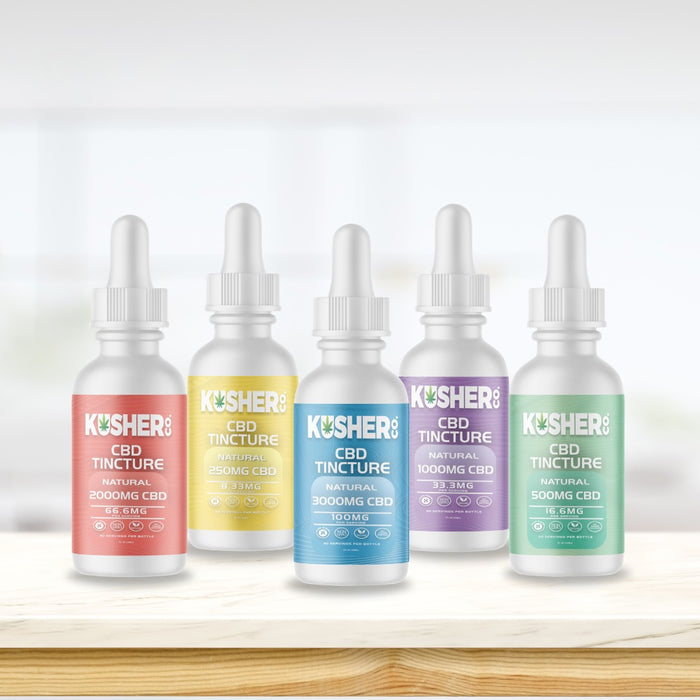
Our Full Spectrum Kosher Hemp Extract CBD Tincture, which runs $20.00 for the 250mg through $40.00 for the 3000mg, is a short build. Extract plus carrier. Few inputs, few suppliers, a compact file, and a formula that stays stable because there is little in it to change.
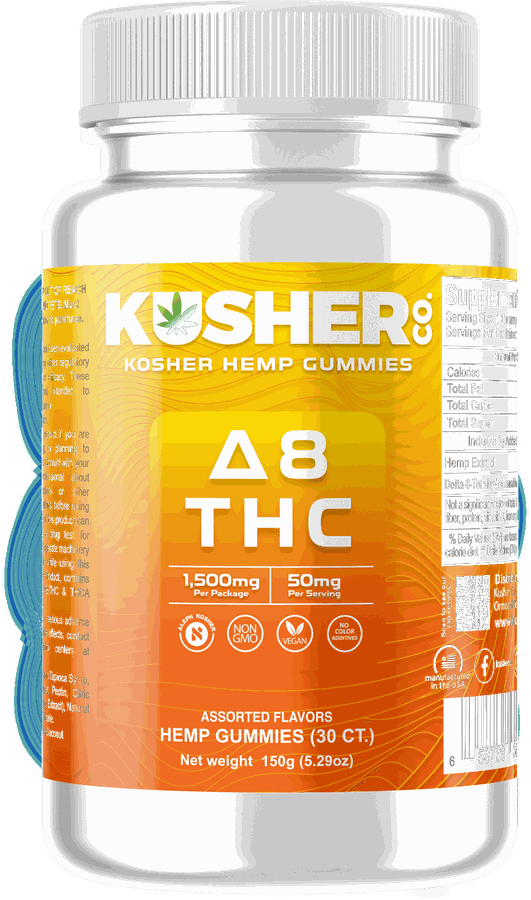
Happy Hour Kosher Hemp Gummies at $29.99 sit at the other end. Delta-8, Delta-9 and live resin in a confection format with total THC under 0.3 percent means three separate active elements, each with its own upstream chain, sitting inside a gummy matrix that already carries a gelling system, a sweetener, an acid, a flavor and a coating. Every one of those is a line in the file. The product is not harder to make because it is stronger. It is harder to certify because it has more parts.
Live resin is its own conversation
Live resin is a different starting material with a different process behind it, and processes are exactly what a certification review examines. Where an isolate arrives as a defined substance from a defined supplier, a resin carries more of the plant and more of the processing history along with it.
That does not make it a problem. It makes it a longer file, and a longer file means more places where a supplier change forces a review. When people ask why a layered gummy is not simply the sum of two simple ones, this is the answer. The complexity compounds in the paperwork before it ever shows up in the product.
Added ingredients that are neither cannabinoid nor candy
Night Time Kosher Hemp Gummies at $29.99 combine CBD, CBN and melatonin. Melatonin is worth pointing at here for a formulation reason rather than any other reason. It is a manufactured ingredient, and like glycerin it can be produced by more than one route, so its source has to be documented rather than assumed.
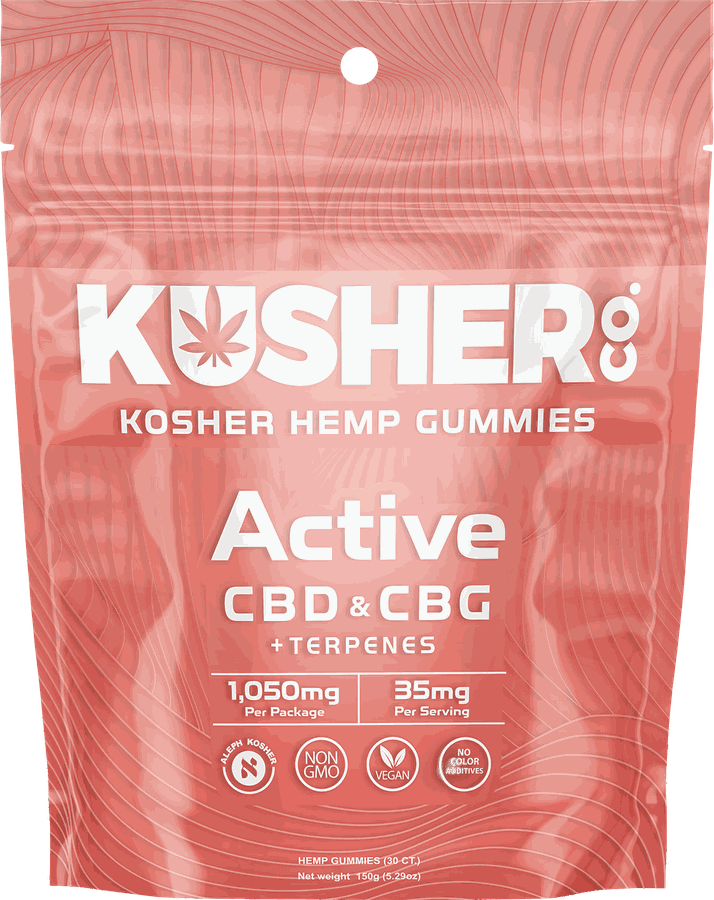
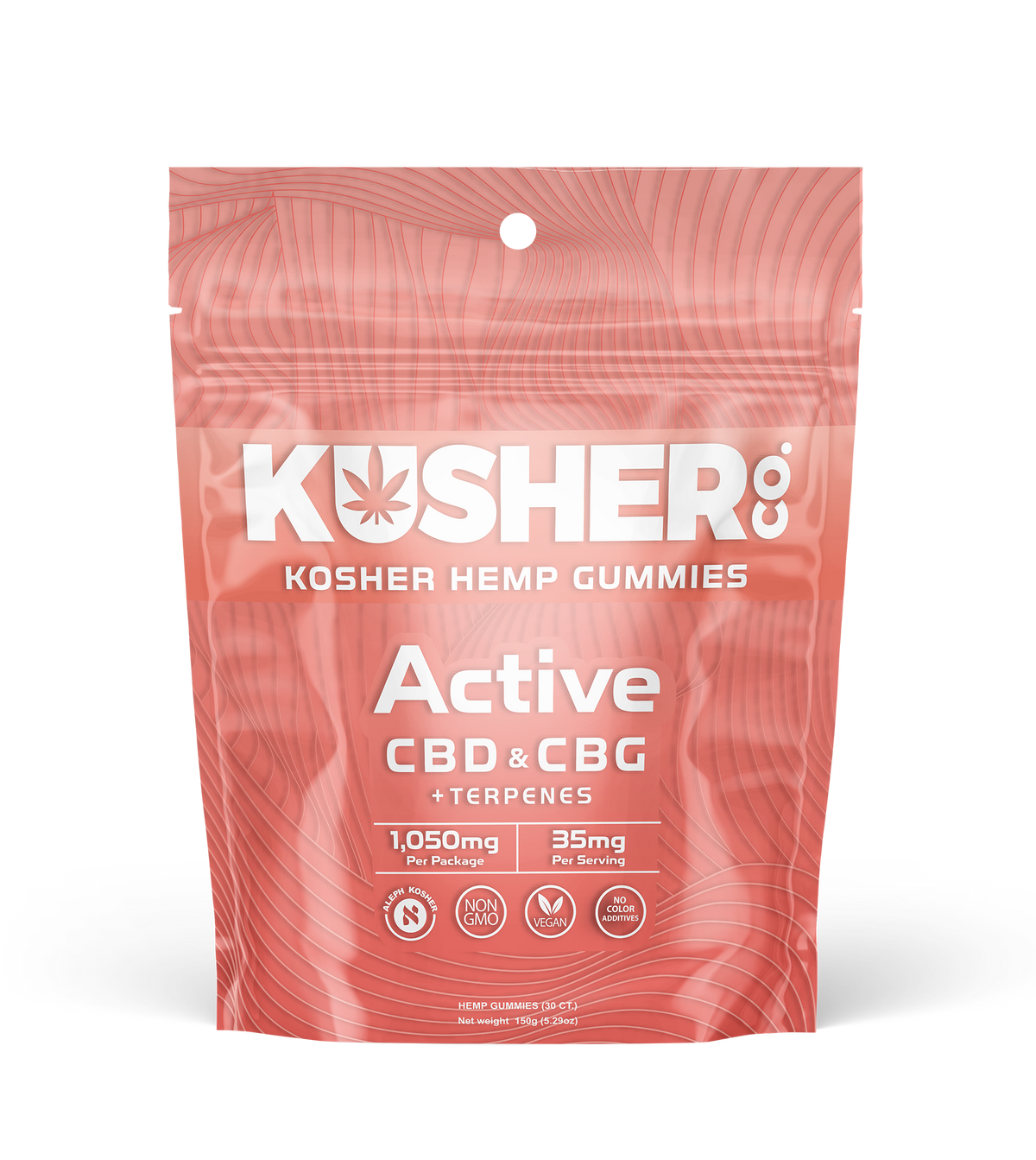
Active Kosher Hemp Gummies, also $29.99, take a different route with CBD, CBG and terpenes. Terpenes bring their own sourcing question, because a terpene can be isolated from botanical material or produced synthetically, and those are different upstream chains even when the molecule is identical. That distinction is invisible in the finished gummy and visible only in the file.
Sweeteners and acids get less attention than they deserve
Everyone asks about the gelling agent and almost nobody asks about the rest of the confection, which is strange, because by weight the sweetener system is usually the largest part of a gummy by a wide margin.
Sugars, syrups and sugar alcohols all come from processing chains, and those chains matter for the same reason every other chain does. Refining methods differ, and some involve processing aids that are themselves inputs with sources. The acid that gives a gummy its brightness is another manufactured ingredient with its own production route.
None of this is exotic and all of it has to be documented. The point is that the ingredients people scrutinize on a label and the ingredients that generate the most paperwork are not the same set. A cannabinoid arrives as a defined substance from one supplier. A sweetener system can involve several.
Isolate, distillate and full spectrum extract are three different files
The form the cannabinoid arrives in changes the review as much as the cannabinoid itself does. An isolate is a purified single compound, which usually means a shorter documentation path because there is less carried along with it and fewer processing steps to describe.
A full spectrum extract keeps more of the plant, which means more of the plant's own material and more of the extraction history travels into your product. Our Full Spectrum Kosher Hemp Extract CBD Tincture sits in that second category by design, and the extract type is part of why even a simple two input product still involves a real supplier conversation rather than a formality.
So the phrase simple formula can be misleading. Simple in ingredient count is not the same as simple in documentation, and a two line formula built on a complex extract can carry more file than a five line formula built on isolates.
What a formulator asks first on a certified line
The order of questions changes when the constraint is known in advance, and that reordering is the practical heart of this whole topic. On an ordinary line the first question is what texture and flavor you want, and sourcing gets solved afterward. On a certified line, sourcing comes first.
- Which suppliers of this input already hold acceptable documentation
- What can that shortlist actually deliver in the volumes we need
- What texture and flavor are achievable inside that shortlist
- What does the product become once those limits are applied
Working in that order produces a different product than working in the usual order would. Not a worse one, but a differently shaped one, arrived at from the supply side rather than from the concept side. Anyone comparing a certified gummy to an uncertified one is comparing two things built by different processes, not just two recipes.
Topicals sit in a different frame
We would rather draw this line clearly than let an implication do work it has not earned. A topical is not eaten, and the standards that apply to non food items are not identical to the ones that apply to an edible.
What is true is that our topicals start from a plant derived base, which shortens several conversations before they begin. The Cooling Relief Stick and the Heating Relief Stick, both $20.00 with 500mg of CBD, are built on coconut oil and shea butter with mint, eucalyptus and tea tree. The Cooling Pain Relief Gel at $25.00 carries 500mg of CBD with rosemary, thyme, tea tree and mint. The Joint and Muscle Roll on Relief at $20.00 runs 350mg with menthol, tea tree and aloe. Those ingredient lists are short and botanical, and short botanical lists are the easiest kind of file to keep clean.
What certification quietly rules out
Some of the effect is invisible because it is about products that never existed. There are formats we have not built, ingredients we have not used and suppliers we have not bought from, and none of that shows up anywhere a customer can see it.
- Ingredients whose source cannot be established at all
- Suppliers who will not document what is inside a compound ingredient
- Formats that depend on a specific animal derived texture agent
- Fast substitutions when a preferred input goes out of stock
That last one is the real operational bite. An uncertified manufacturer facing a supply problem swaps in an equivalent and keeps running. We reopen the file, which takes time we do not always have.
Why our formulas move slowly
Every substitution is a review. Not a rubber stamp, an actual review with a supplier chain behind it. That means we cannot follow a trending ingredient in a season, and it means our line changes at a pace that would look sluggish in a category that reformulates constantly.
The upside of the same constraint is that the product you bought last year and the product you buy today came out of the same documented process. Stability is what the slowness buys. Whether that trade is worth it depends on what you wanted from us in the first place, and we think it is worth stating rather than hiding.
Reading a hemp label with this lens
Once you know the constraint sits at the front, an ingredient list reads differently. Gelatin against pectin tells you something about the framework the maker was working inside. A named carrier rather than a vague one tells you the supplier chain was documented well enough to name. A short list on a complex product is usually a sign of decisions made early rather than corners cut late.
None of that tells you whether a product is right for you, and we are not going to pretend it does. It tells you how the thing was built and what the builder was willing to be constrained by, which is a genuinely different question from how it performs.
Bottom line
Certification is a formulation constraint before it is anything else. It removes ingredients, it forces documented sourcing on the ones that remain, and it makes layered products cost more work than simple ones. That is why a tincture with two inputs and a three cannabinoid gummy with a full confection matrix are not comparable projects even when the price difference is ten dollars.
If you want the shortest file we make, it is the tincture. If you want the most work in a jar, it is a layered gummy. Both cleared the same standard, and the standard is the reason each one is built the way it is.
Frequently Asked Questions
Why do certified gummies usually use pectin instead of gelatin?
Gelatin is animal derived, so its source has to be established, and acceptable gelatin is a much narrower supply than gelatin in general. Pectin is fruit derived and sidesteps the question at its root, which is why most certified gummy formulas end up there. The swap is not free. Pectin sets differently, eats differently and responds differently to heat and humidity. A pectin gummy tends toward a shorter, more yielding bite rather than the long elastic chew people associate with gelatin.
Why does a flavor system need so much documentation?
Because a line reading natural flavor is not one ingredient. It is a compound blend, often with many components plus carriers and solvents of its own, supplied by a house that usually treats the exact composition as proprietary. Certification requires that blend to be resolved and documented back to its sources, or it cannot be used. Flavor houses that already supply certified customers handle this routinely. Ones that do not are simply unavailable, which narrows the palette for reasons that have nothing to do with taste.
Does a layered gummy really carry more certification work than a tincture?
Considerably more, and the driver is the number of distinct elements rather than potency or price. A tincture is extract plus carrier, which is a short file with few suppliers. A layered gummy combining several actives sits inside a confection matrix that already includes a gelling system, a sweetener, an acid, a flavor and a coating, and every one of those is a documented line with its own upstream chain. More parts means more places a supplier change forces a fresh review.
Can two identical looking ingredients have different certification status?
Yes, and glycerin is the clearest example. Glycerin can be manufactured from plant or animal material, and the finished substance is chemically the same either way. You cannot distinguish them by looking, by testing or by reading a generic ingredient name on a label. Only supplier documentation separates them. That single case explains why the entire documentation apparatus exists, because the question being asked is about history rather than about the substance sitting in front of you.
Are topicals certified the same way as edibles?
Not identically, and we would rather say that than let an implication do work it has not earned. A topical is not eaten, and the standards applied to non food items differ from those applied to an edible. What is true of our topicals is that they start from plant derived bases, which shortens several sourcing conversations before they begin. Coconut oil, shea butter, menthol, tea tree, aloe and botanical extracts make short ingredient lists, and short botanical lists are the easiest kind of file to keep clean.
What does certification stop you from making?
Mostly things you never see, which is why the effect is easy to miss. Ingredients whose source cannot be established are out. Suppliers who will not document what sits inside a compound ingredient are out. Formats depending on a particular animal derived texture agent are out. The sharpest operational cost is speed. An uncertified maker facing a supply problem swaps in an equivalent and keeps running, while we reopen the file and wait. Our line changes slowly as a direct result.