News · 28 July 2026
How Much THC Should I Take? A Fitness-Focused Dosing Guide
Start Here: The Honest Answer for Fitness People
What We Looked For When Building This Framework
This guide is built around four criteria that actually matter for active people:
- Recovery utility. Post-workout and rest-day use is a different context entirely. Relaxation, stress reduction, and sleep quality are all legitimate recovery levers. And THC can support them when dosed correctly.
- Onset and duration. Gummies are not instantaneous. The gap between when you take one and when you feel it is the most common reason people redose too early and end up way over their target. We built the timing guidance around the actual onset window for D8+D9 edibles.
- Formulation type. A D8+D9 gummy with live resin is not the same experience as an isolated D9 gummy or a CBD gummy. The blend matters, and the guidance here is specific to what is actually in the KusherCo lineup.
D8 vs D9: What the Difference Means for Your Dose
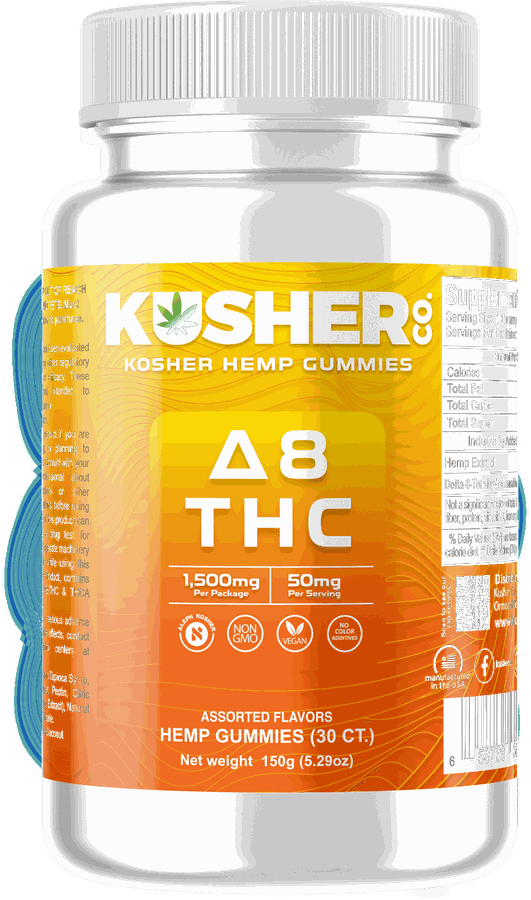
Delta-8 and Delta-9 are both THC. They bind to the same cannabinoid receptors in your brain and body. But D8 is generally described as producing a milder, clearer effect than D9, less likely to tip into anxiety or cognitive fog at the same milligram amount.
The Happy Hour gummies combine both. That blend means you get the relaxation and stress-relief properties of D9 softened by the smoother profile of D8. For fitness people, that matters because anxiety and disorientation are the two things most likely to make THC a net negative for recovery. The D8+D9 combination is a more forgiving entry point than straight D9.
Live resin in the formula adds terpenes from the original hemp plant. Terpenes influence how cannabinoids interact with your system. They are part of why the same milligram amount can feel different across products. The entourage effect here is a bet, not a guarantee, but the early evidence and our formulation experience points toward blends working better than isolates. The clinical debate on exactly how much terpenes contribute is real and unsettled. What we can say is that the full-blend approach is deliberate.
Dosing by Experience Level: The Fitness-Specific Starting Points
Your tolerance to THC is not the same as your physical fitness. Someone who runs 40 miles a week and has never taken THC is still a THC beginner. Keep those two things separate when you decide where to start.
First-Timer Walkthrough: What to Expect from Your First Session
Next morning: No hangover equivalent at sensible doses. If you wake up feeling groggy, you took more than your system needed. That is useful data for your next session, not a reason to quit.
What you should NOT feel at the right dose: paranoia, a racing heart that worries you, confusion, or the sense that you cannot control the experience. If any of those happen, you took too much for your tolerance. That is information, not a health emergency. Drink water, lie down somewhere comfortable, and wait. It passes.
Timing THC Around Your Training: Pre-Workout vs. Post-Workout
This is where fitness-specific guidance diverges sharply from general THC advice.
Pre-workout THC is not recommended for most fitness goals. THC, even D8-leaning blends, affects coordination, reaction time, and your ability to accurately gauge effort. For strength training, that means your form cues get fuzzy. For running, your pace calibration drifts. For technical sports, your reaction window slows. The research on cannabis and exercise performance has consistently found either no benefit or a performance decrement for high-intensity and skill-based activities. That holds even at lower doses.
Rest-day and evening use is the clearest fit for most fitness enthusiasts. Pair it with the Night Time gummies if sleep quality is your primary recovery goal, the CBD+CBN+Melatonin formula in that product is purpose-built for sleep, and that is a different job than the D8+D9 blend in Happy Hour.
Factors That Change Your Optimal Dose
Two people can take the same gummy and have completely different experiences. These are the variables that explain why.
- Body composition. THC is lipophilic. It stores in fat tissue. People with higher body fat percentages may find effects last longer and accumulate differently with regular use. This is not a reason to adjust your starting dose up. It is a reason to pay attention to how effects persist across multiple sessions.
- Metabolism and gut health. Edibles are processed through the liver before they hit your bloodstream. Liver function, gut motility, and what you ate before taking the gummy all affect onset time and intensity. Taking a gummy on an empty stomach typically means faster onset and a stronger peak. After a full meal, expect slower onset and a softer effect.
- Training load. High training volumes and chronic physical stress change how your endocannabinoid system is functioning. Athletes in heavy training blocks often report needing slightly higher doses to feel the same effect. Though this could also reflect tolerance built from regular use rather than training load specifically.
- Tolerance. THC tolerance builds with regular use. If you are using Happy Hour gummies more than a few times a week, you will likely find the same dose becomes less effective over two to four weeks. The fix is not always a higher dose. A short break, even five to seven days, resets sensitivity meaningfully for most people.
- Product format. Gummies have a longer onset and longer duration than inhaled cannabis. If you have experience with inhaled THC, do not use that as your baseline for edible dosing. They are different enough that experienced smokers regularly overconsume edibles and are caught off guard by the difference.
Signs You Took Too Much (and What to Do)
Knowing when you have gone past your optimal dose is part of dialing in your personal range. Here are the signals:
- Heart rate that feels elevated and uncomfortable
- Anxiety or racing thoughts that feel hard to slow down
- Confusion or difficulty tracking a conversation
- Paranoia, feeling watched, judged, or unsafe without a real reason
- Nausea
- Extreme sedation when you intended mild relaxation
None of these are dangerous at the doses in this lineup. They are uncomfortable, and they will pass. Here is how to move through them faster:
- Sit or lie down somewhere you feel safe.
- Drink water, slowly, not a large quantity at once.
- Change your environment if possible. Fresh air helps.
- Do not try to exercise through it. That raises your heart rate and can amplify anxiety.
- Black pepper, yes, really. Some people find that smelling or chewing a few black peppercorns reduces THC-induced anxiety. The mechanism is not fully understood, but it is harmless to try.
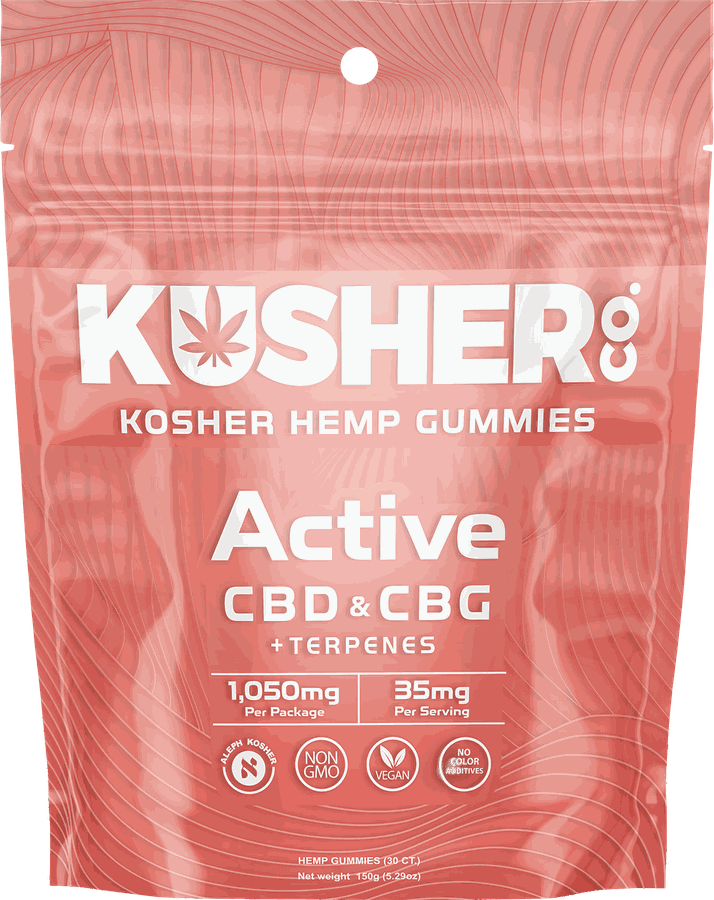
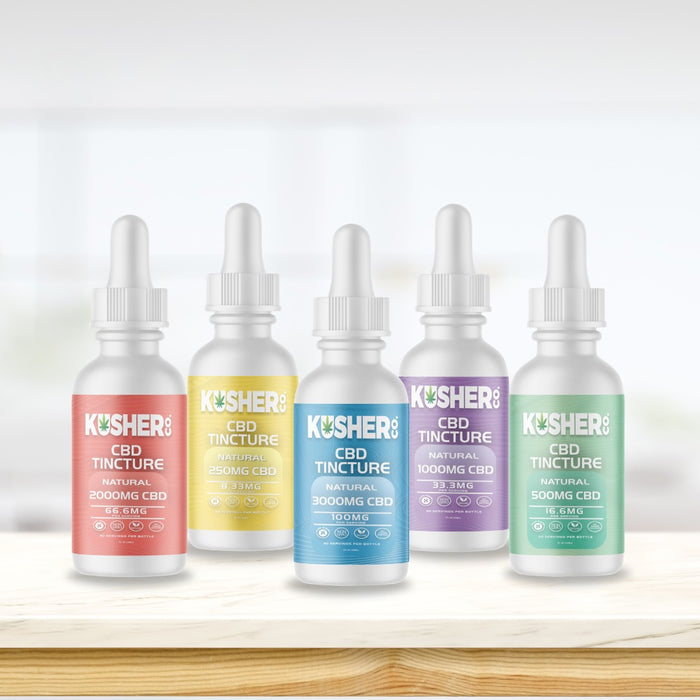
- CBD can blunt the psychoactive effects of THC. If you have the Wellness gummies or the CBD tincture on hand, taking CBD may reduce the intensity of an uncomfortable THC experience. This is one reason having both in your stack is worth considering.
After the experience, note how much you took, when you took it, what you ate, and how you felt at peak. That is your calibration data. Adjust your next session down by half, then rebuild from there.
Which KusherCo Product Fits Your THC Goal
Not every product in this lineup contains THC. Here is where each one fits in a fitness-focused THC strategy.
Best for: First-time THC users who want a gentle, controlled experience
Best for: Post-workout recovery on hard training days
Best for: Sleep and overnight recovery
Best for: THC-free training days when you still want cannabinoid support
Best for: Localized muscle soreness without any systemic THC effect
Cooling Pain Relief Gel (500mg CBD) or the Joint & Muscle Roll-On (350mg CBD + menthol) applied directly to the affected area. These are topicals. They do not enter your bloodstream in meaningful amounts. Zero cognitive effect. Useful on days when you need soreness addressed but cannot afford any impairment.
Building a Weekly Stack: Putting It Together
A practical fitness week might look like this once you know your baseline dose:
- Training days (post-workout): Topical roll-on or cooling gel on any localized soreness. Immediate application, no wait time.
- Rest days: Night Time gummies in the hour before sleep if recovery quality is the priority. Happy Hour if you want relaxation without a sleep focus.
- High-intensity or competition days: No THC-containing products. Wellness gummies (CBD only) for baseline endocannabinoid support.
Before you go, here are the questions that come up most often when people are trying to figure out their starting point with THC.
Frequently Asked Questions
Is Delta-8 or Delta-9 stronger? Which one should I try first?
Delta-9 is generally considered more potent than Delta-8 at the same milligram dose. D8 tends to produce a milder, clearer effect with less likelihood of anxiety at lower doses. The Happy Hour gummies combine both, which is part of why they are a good entry point, the D8 moderates the D9 effect. If you are choosing between products, the D8+D9 blend is a better starting place for first-timers than a straight D9 product would be.
What should I do if I feel anxious or uncomfortable after taking THC?
First: you are physically safe. The discomfort is real but temporary. Lie down or sit somewhere comfortable, drink water slowly, and try to slow your breathing. Changing your environment, stepping outside, lowering the lights, putting on familiar music, can help significantly. CBD can reduce THC-induced anxiety. If you have the Wellness gummies or the CBD tincture nearby, taking a dose of CBD may ease the intensity of the experience. After it passes, note your dose and adjust down at your next session. This is calibration, not failure.
Ready to pick one? Browse Popular.